
Articles
Insights & articles
Original writing — reflections, commentary and educational guides.

Keeping Health Professions Education Moving Through Crisis
When campuses close and clinical training is disrupted, students need a credible path forward. Flexible curricula, accessible teaching, thoughtful assessment and recognition of prior learning can help institutions sustain education through crisis.

HyFlex Learning: Making Flexibility Work for Students and Teachers
Students need flexible ways to participate, and teachers need a workable way to bring those experiences together. Explore how HyFlex course design can connect attendance choices with purposeful discussion, feedback and clear learning expectations.

How Leadership Turns Social Accountability into Action
How can leadership connect medical education with community needs? Explore the practical direction of AMEE Guide No. 187.

Medical Education Beyond the Campus: Lessons from Gezira
When the campus becomes inaccessible, every part of medical education needs rethinking. The University of Gezira case opens a practical discussion about organising learning across locations, connecting training with community care, and judging whether emergency adaptations are working.

Extended Matching Questions: What Makes Exam Scores Trustworthy?
Explore how extended matching questions are constructed, what a review of their evidence found, and how educators can strengthen the interpretation of exam scores.
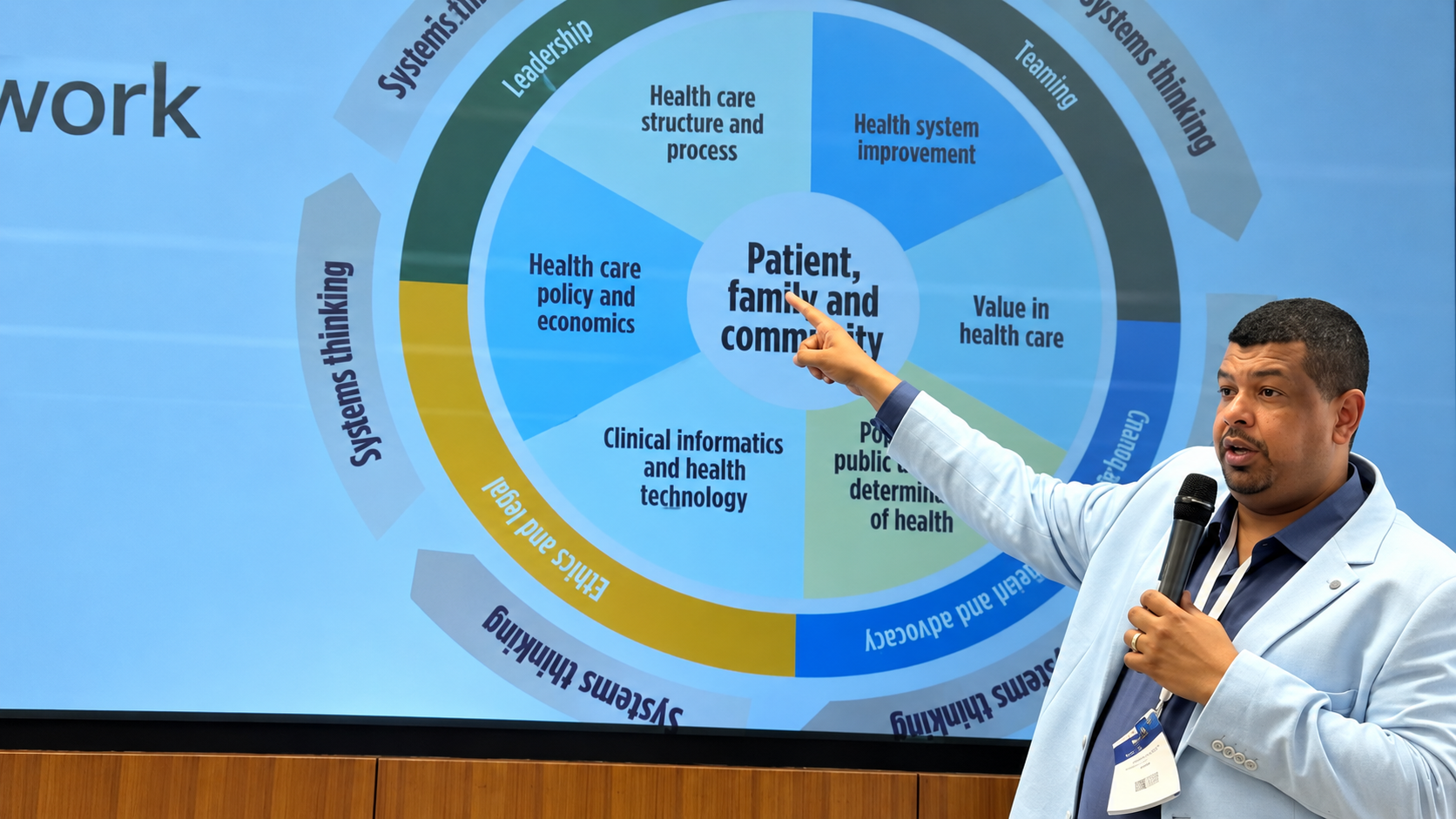
Social Accountability in Medical Education: Lessons from the Eastern Mediterranean
Admissions, clinical training and evaluation all shape a medical school’s contribution to society. Evidence from the Eastern Mediterranean helps identify where institutions can turn their social commitments into practical change.

Listening to Residents: Improving Research Training and Feedback
A useful programme review follows residents’ concerns through to action. Explore how training programmes can strengthen research support, make feedback usable and give trainees a visible role in improving their education.

Moving Medical Education Online: Start with the Curriculum
When the campus becomes inaccessible, every part of medical education needs rethinking. The University of Gezira case opens a practical discussion about organising learning across locations, connecting training with community care, and judging whether emergency adaptations are working.

Residency Training: Turning Clinical Work into Structured Learning
A residency curriculum should make the path from supervised participation to greater responsibility clear. Explore how curriculum review can examine teaching, assessment, trainer preparation and the conditions in which residents learn.
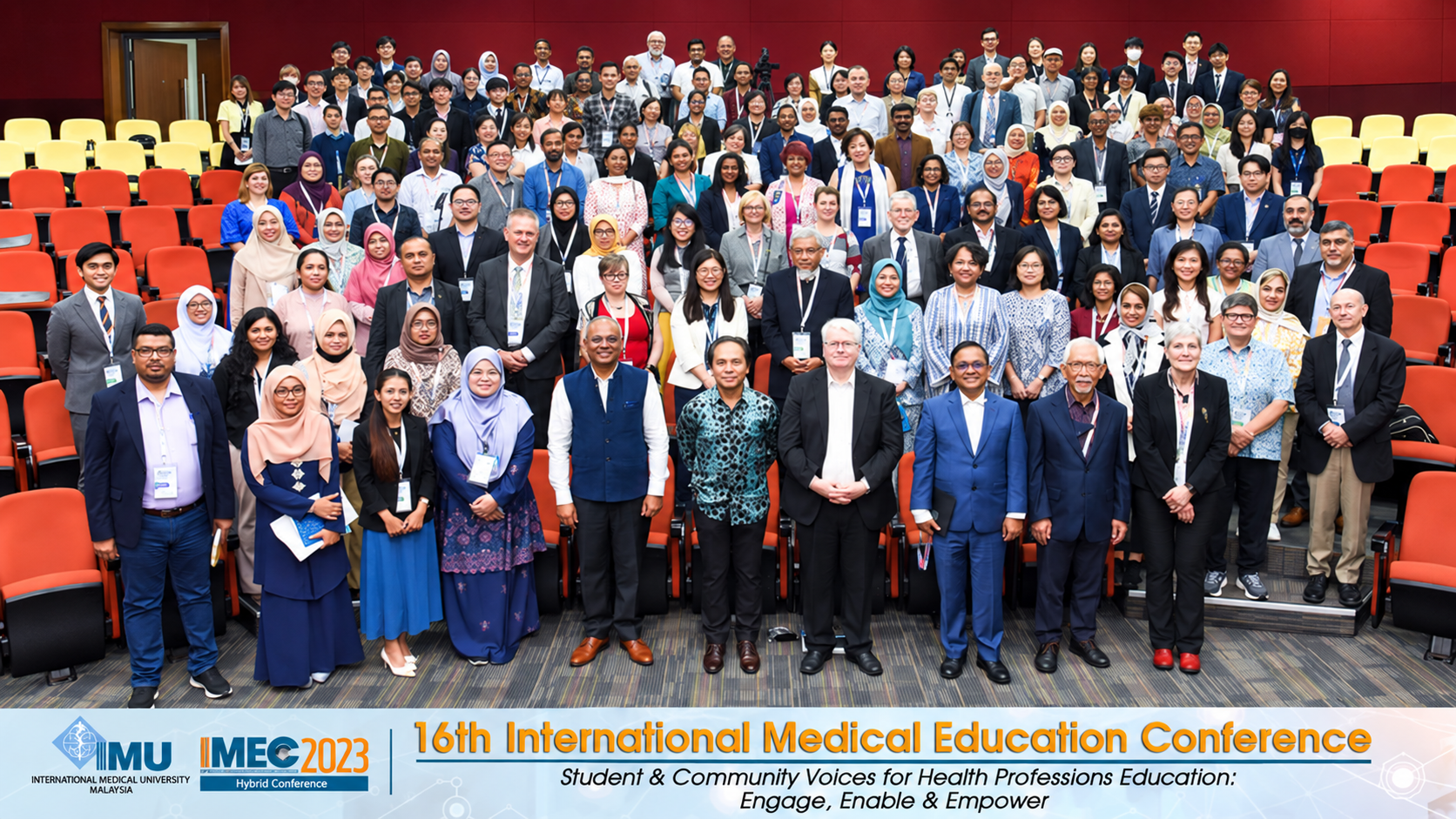
Learning Environments in Residency: Clarity, Supervision and Belonging
From the first day of a rotation, residents need clear responsibilities, dependable supervision and a team that welcomes questions. Understanding these everyday experiences can help training programmes turn concerns about the learning environment into specific changes in induction, support and clini

SudaniMEDs: What Every Medical Graduate Should Be Able to Do
Graduation should signal readiness for the responsibilities of patient care. Explore how clear competencies can connect curriculum design, clinical teaching and assessment—and what developing a national framework for Sudan would involve.

Internet Use in Medical School: Protecting Sleep and Attention
When does useful online study begin to crowd out sleep and concentration? A study of medical students at Qassim University opens a practical discussion about digital habits, the limits of screening scores, and how students and medical schools can create better conditions for focused learning.
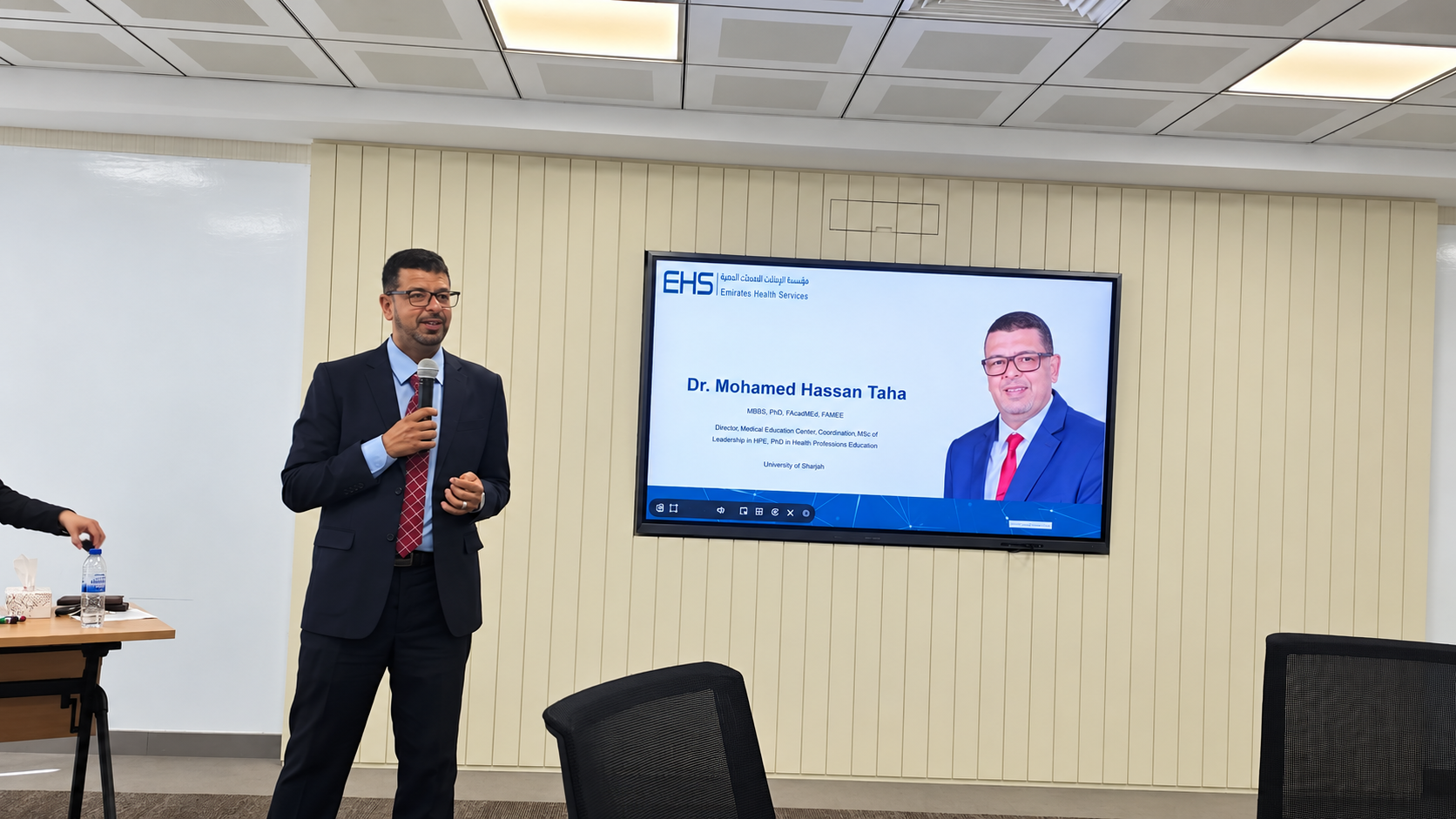
Residency Training: Protecting Time for Learning
Every clinical rotation should give residents time to understand the cases they encounter. Protecting that time requires practical decisions about ward cover, teaching responsibilities and how learning opportunities are monitored. This article explores how programmes can make education a dependable

Patient Satisfaction: Listening, Explaining and Checking Understanding
What should a patient understand before leaving a consultation? Clear explanations, attentive listening and a chance to describe the agreed plan can reveal gaps that an overall satisfaction rating misses. This article explores how patient feedback can guide more practical communication training for