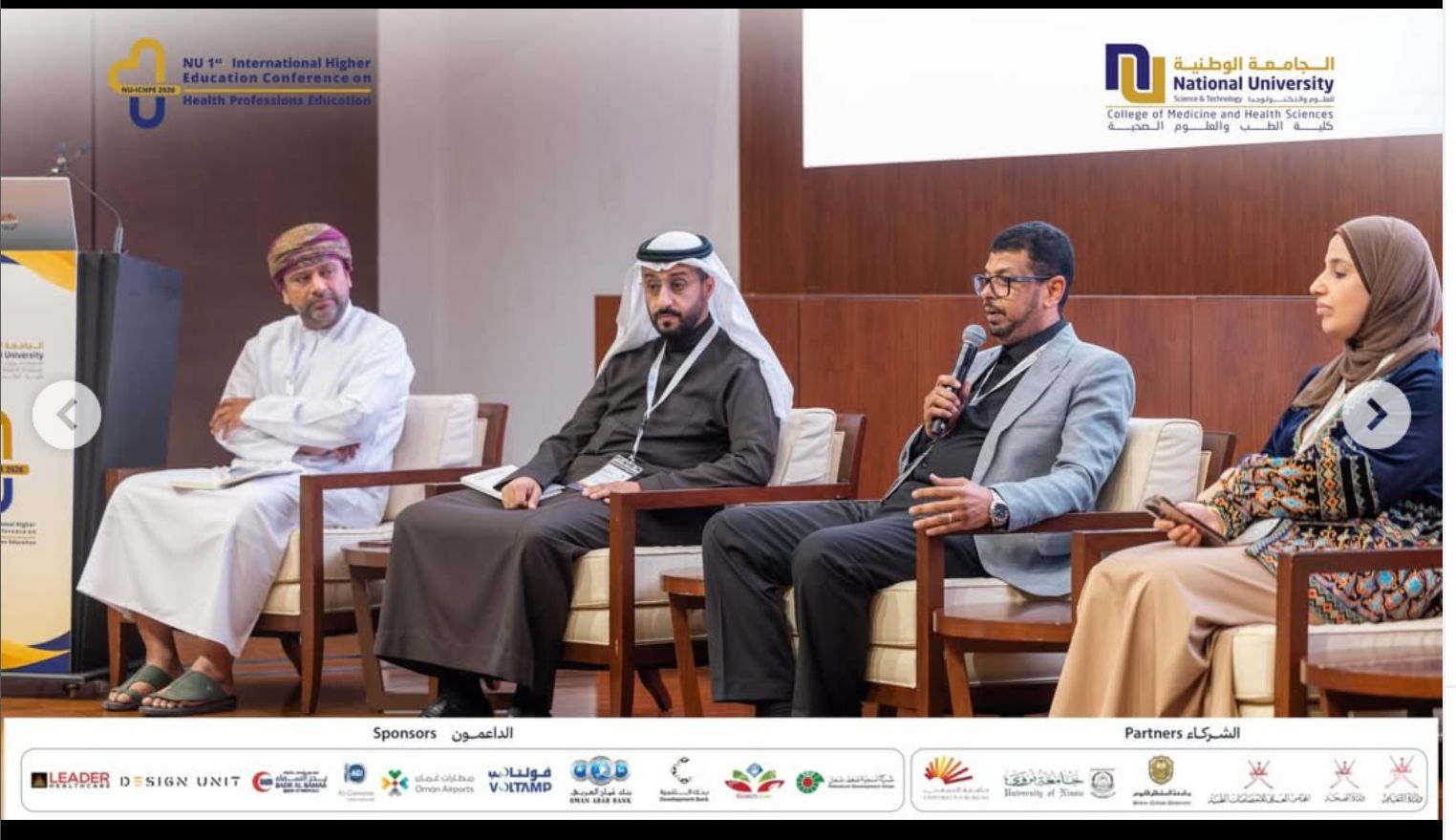
 Conference presentation
8 February 2026
Socially Accountable and Context-Responsive Health Professions Education
1st International Conference in Health Professions Education
National University of Science and Technology, Oman
 Mohamed H. Taha
Shown only where the CV evidences a substantive post, accreditation, or project — click a node for detail.
University of Sharjah — Director of the Medical Education Centre at the University of Sharjah since 2019.
Select a country on the map or in the list to filter the talks below.
The UAE is Dr. Mohamed's professional base. He coordinated the development of the EmiratesMEDs competency framework and is a certified institutional reviewer for the Commission for Academic Accreditation. His UAE talks include the 6th MBRU Medical Education Symposium in 2024.
See talks here 11Canadian scholarship on social accountability runs through Dr. Mohamed's recent guides. He led AMEE Guide No. 187 (Medical Teacher, 2026) on leadership for social accountability, co-authored with Roger Strasser, founding dean emeritus of the Northern Ontario School of Medicine, and Erin Cameron. AMEE Guide No. 175 (2025) brought him together with Robert Woollard, Erin Cameron and Cassandra Barber. Canada-based authors also wrote chapters in the Springer Nature volume he co-edited.
Dr. Mohamed has been Honorary Associate Professor of Medical Education at the University of East Anglia since 2022, supporting postgraduate supervision and research collaboration. At the University of Sharjah he established a partnership with the University of Dundee for joint delivery of postgraduate programmes in health professions education. He became a Fellow of the Academy of Medical Educators in 2022 and presented at AMEE 2023 in Glasgow.
In November 2025 Dr. Mohamed gave an invited address, "Pioneering Sustainable Medical Education in Sudan", at the 7th Annual General Assembly of the Sudanese American Physicians Association (SAPA) in Houston, Texas. His US connections also include scholarship: Shafik Dharamsi of the University of North Texas Health Science Center co-authored AMEE Guide No. 187 (2026), which Dr. Mohamed led.
See talks here 1Saudi Arabia was a formative base for Dr. Mohamed's leadership in medical education. At Qassim University from 2015 to 2019 he served as Curriculum Coordinator and Head of Faculty Development, led MBBS curriculum reform aligned with the SaudiMEDs framework, and redesigned problem-based learning cases and tutor training. He was co-investigator on a Qassim University research grant on social accountability. Since then he has delivered webinars for Saudi medical education bodies, including the Saudi Society for Medical Education.
Sudan is where Dr. Mohamed trained and began his career. He earned his MBBS (2006) and PhD in Health Professions Education (2018) at the University of Gezira and held several academic posts in the country. Since the 2023 armed conflict, his research has examined how medical schools adapted, including a 2025 BMC Medical Education study of the University of Gezira's Faculty of Medicine. He has also served on the Sudan Medical Council's committee on CPD policy and curriculum review.
Malaysia is the setting for Dr. Mohamed's repeated contributions to the International Medical Education Conference (IMEC), hosted by the International Medical University. At IMEC 2022 he presented on embedding equity, inclusivity and diversity in health professions education. He returned for IMEC 2023, held on 13–15 October, with a presentation on advancing community-engaged health professions education. His CV also lists a presentation at IMEC 2017 on competency-based education.
See talks here 2France appears on the map through Dr. Mohamed's editorial work with Charles Boelen. With Mohamed Elhassan Abdalla, they co-edited Social Accountability of Medical Schools: Empowering the Future of Medical Education and Healthcare Systems (Springer Nature, 2025), whose editor listing places Boelen in France. Boelen was also among the authors of AMEE Guide No. 175 (2025), which Dr. Mohamed co-authored, on instilling social accountability into health professions curricula.
Somaliland is included for Dr. Mohamed's consultancy with Haldoor University, recorded in his CV as curriculum development and institutional support. The project forms part of his advisory work in health professions education beyond his academic posts, alongside contributions to the Sudan Medical Council's committee on CPD policy and curriculum review.
In May 2025 Dr. Mohamed spoke at the World Federation for Medical Education (WFME) World Conference in Bangkok. His contribution addressed integrating social accountability into medical education accreditation, linking his research on socially accountable medical schools with the standards and quality assurance systems through which those schools are reviewed.
See talks here 1Dr. Mohamed's links with Ireland centre on the University of Limerick. In September 2023 he gave an invited address, "Promoting Social Accountability through PBL Case Scenarios", at a symposium held by The Network: Towards Unity for Health (TUFH) and the University. Limerick colleagues co-authored AMEE Guide No. 162 (2023) with him, and Mohamed Elhassan Abdalla of Limerick co-edited the 2025 Springer Nature volume on social accountability. Limerick's medical school has also applied the Social Accountability Inventory for problem-based learning, which he co-developed.
See talks here 1Dr. Mohamed's scholarly ties to Australia run through his work on social accountability. He co-authored AMEE Guide No. 175 (Medical Teacher, 2025), on instilling social accountability into health professions curricula, with Robyn Preston among the author team. The two also co-wrote "The Evolving Role of the Medical Profession and Medical Graduates", a chapter in Social Accountability of Medical Schools (Springer Nature, 2025), a volume he co-edited.
I presented a short communication at APMEC 2023, organised by the National University of Singapore, and received a Merit Award for my presentation. My participation provided an opportunity to contribute to international discussions on scholarship, teaching, and learning in medical education.
See talks here 1: As Chair of the AMEE Postgraduate Committee, Dr. Mohamed works with committee members from several countries. With Gustavo Salata Romão of the University of Ribeirão Preto, he is co-authoring guidance on enhancing quality in postgraduate medical education, framed around learning, service and community impact. The work considers residency training in a range of settings, including low-resource and fragile contexts.
several guides, holds a post at Sun Yat-sen University
Through the AMEE Postgraduate Committee, which he chairs, Dr. Mohamed collaborates with Leila Niemi-Murola of the University of Helsinki and Helsinki University Hospital. With other committee members, they are developing guidance that takes a systems approach to improving the quality of postgraduate medical education, linking residents' learning with service delivery and the needs of the communities they serve.
Indonesia's link with Dr. Mohamed is editorial. Prattama Santoso Utomo, a medical educator in Indonesia, co-authored the chapter "Empowering Faculty in Socially Accountable Medical Schools" in Social Accountability of Medical Schools (Springer Nature, 2025), the volume Dr. Mohamed co-edited. The chapter addresses the place of faculty development in medical schools that seek to respond to the health needs of their communities.
Dr. Mohamed's CV records work with the Eastern Mediterranean Public Health Network (EMPHNET), headquartered in Amman, on developing a competency framework for health professions education. The engagement sits alongside his contribution to national competency frameworks, including the EmiratesMEDs framework in the UAE and MBBS curriculum reform aligned with SaudiMEDs.
Dr. Mohamed's tie to Myanmar comes through the AMEE Postgraduate Committee, which he chairs. Committee member Wunna Tun, affiliated with the International Medical Education Academy for Myanmar, is a co-author on guidance being developed to strengthen the quality of postgraduate medical education. The work gives particular attention to sustaining residency training in fragile and conflict-affected settings.
The link with Pakistan is editorial. Rukhsana W. Zuberi co-authored the chapter "From Community-Oriented Medical Education to Social Accountability", with Mohi Eldin Magzoub, in Social Accountability of Medical Schools (Springer Nature, 2025). Dr. Mohamed co-edited the volume, which brings together international perspectives on how medical schools can respond to the health needs of the communities they serve.
Dr. Mohamed's research on faculty perspectives on social accountability in radiography education includes participants from Palestine, alongside colleagues from the United Arab Emirates and Saudi Arabia. The study uses focus group discussions and reflexive thematic analysis to explore how radiography educators understand social accountability and put it into practice in their programmes.
Juliana Sá, of the University of Aveiro and the University of Beira Interior, is among the AMEE Postgraduate Committee members working with Dr. Mohamed on guidance for postgraduate medical education. Their guidance takes a systems approach to quality, connecting residents' learning with service delivery and community impact, and draws on committee members' experience across several health systems.
Collaboration with South African colleagues runs through Dr. Mohamed's social accountability scholarship. Lionel Green-Thompson of the University of Cape Town co-authored both AMEE Guide No. 175 (2025) and AMEE Guide No. 187 (2026), the latter led by Dr. Mohamed. Green-Thompson also led a chapter on the role of the community in medical education in the 2025 Springer Nature volume that Dr. Mohamed co-edited.
Switzerland hosted AMEE 2024, the annual conference of the International Association for Health Professions Education, in Basel. Dr. Mohamed presented there on integrating health systems science into medical education curricula. He returned to the theme two months later as an invited speaker at the 6th MBRU Medical Education Symposium in Dubai.
Syria's place on the map comes from scholarship on education in fragile and conflict-affected settings. He led AMEE Guide No. 182, "Building Resilient Health Professions Education in Fragile Contexts" (Medical Teacher, 2026), whose author team included Ghaith Alfakhry; the guide's listed affiliations include the Association for Medical Education in Syria. The guide sets out a framework for sustaining health professions education through armed conflict, disaster and systemic disruption.
Chung-Hsien Chaou, of Chang Gung Memorial Hospital and Chang Gung University, is among the AMEE Postgraduate Committee members co-authoring postgraduate medical education guidance with Dr. Mohamed. The collaboration brings experience in emergency medicine education and competency-based assessment into a systems approach to the quality of residency training.
As a keynote speaker at the Libyan Medical Education Conference, I addressed designing medical curricula for future doctors. My presentation examined curriculum development milestones, contemporary challenges, emerging trends, and regional priorities, focusing on aligning medical education with future healthcare demands and societal needs.
See talks here 1
Conference presentation
1st International Conference in Health Professions Education
National University of Science and Technology, Oman
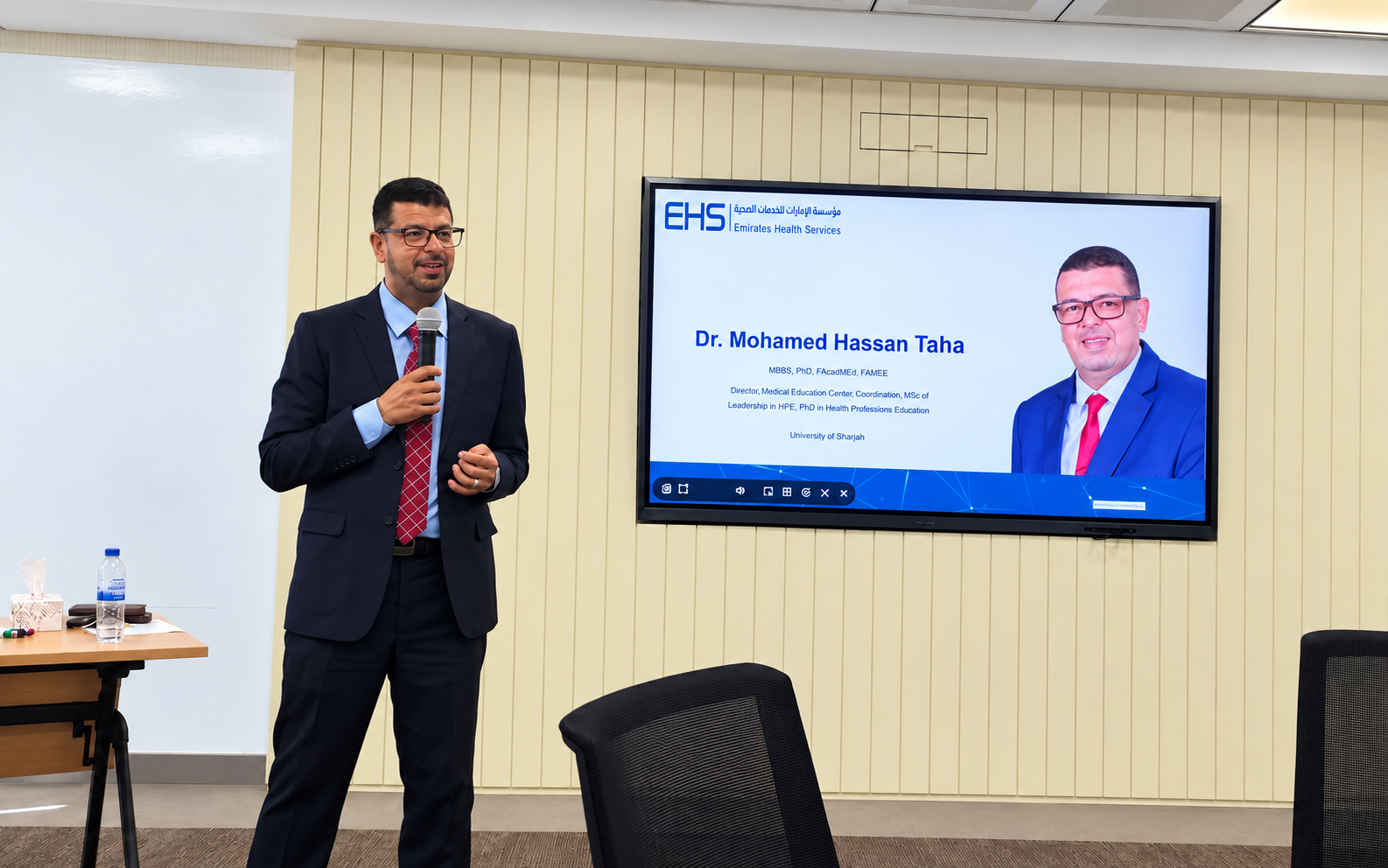 Workshop
Educational Program Evaluation Workshop — Cohort 2
Emirates Health Services
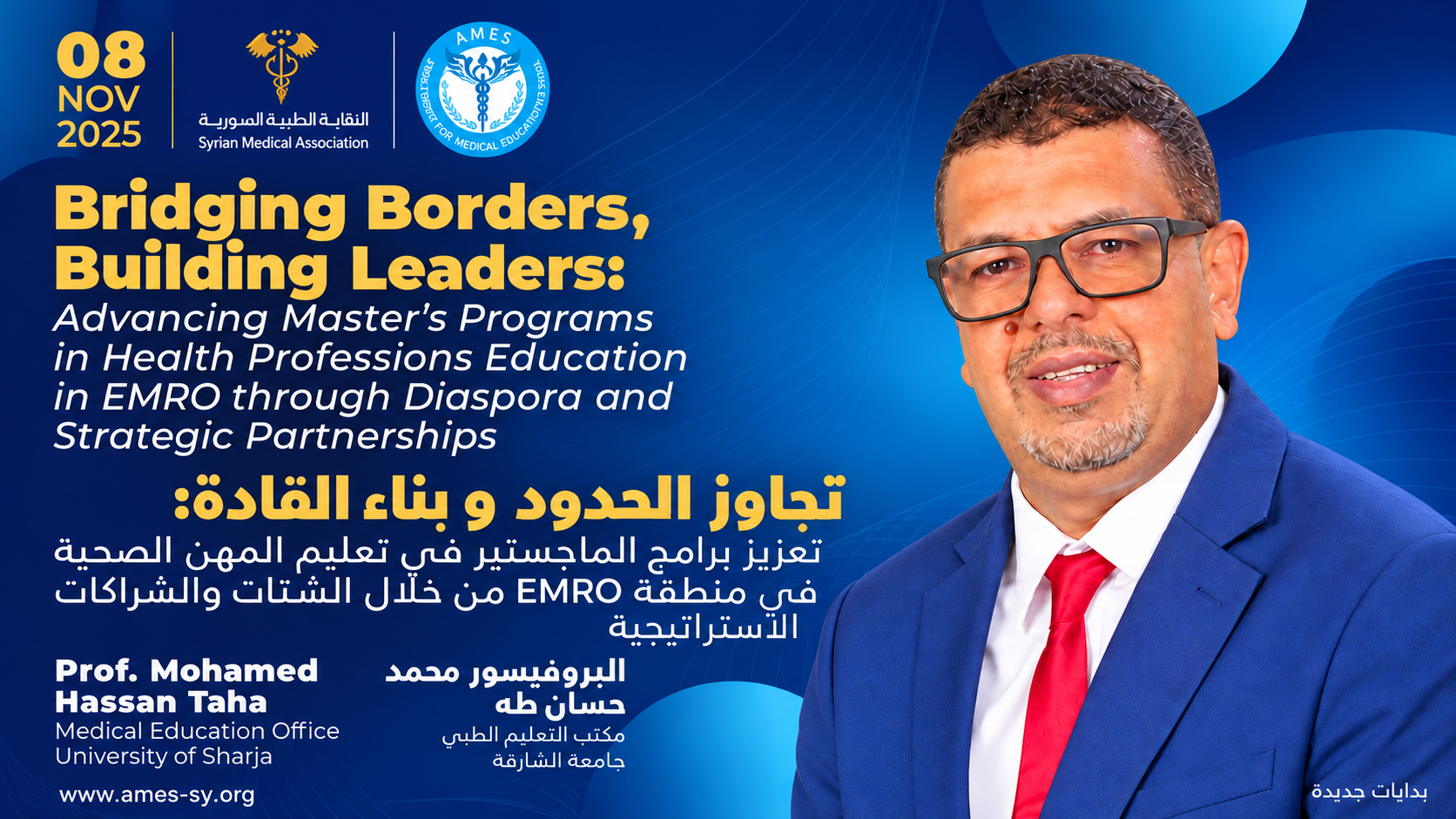 Conference presentation
AMES 2025
University Of Sharja
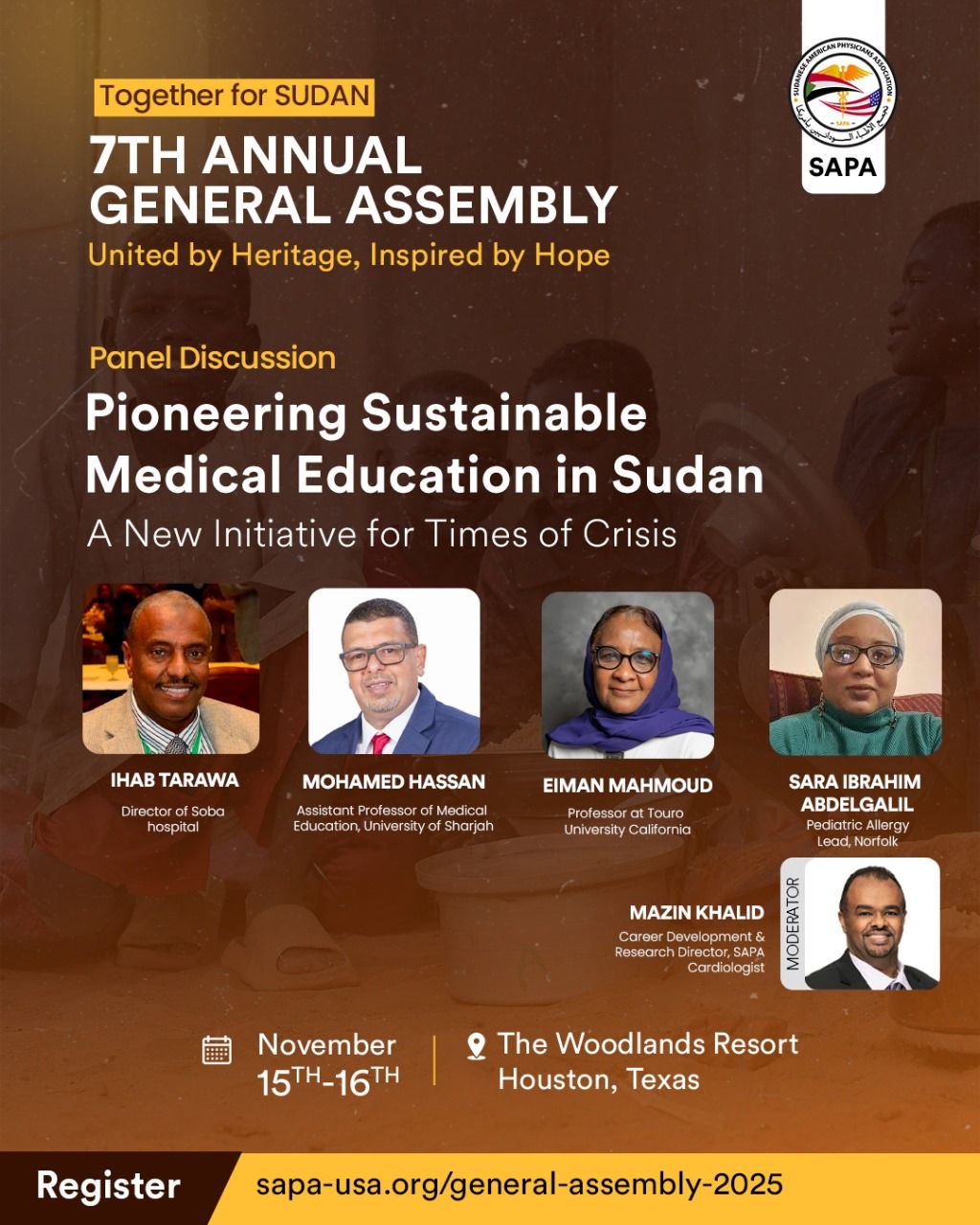 Invited address
SAPA 7th Annual General Assembly
The Woodlands Resort, Houston, Texas
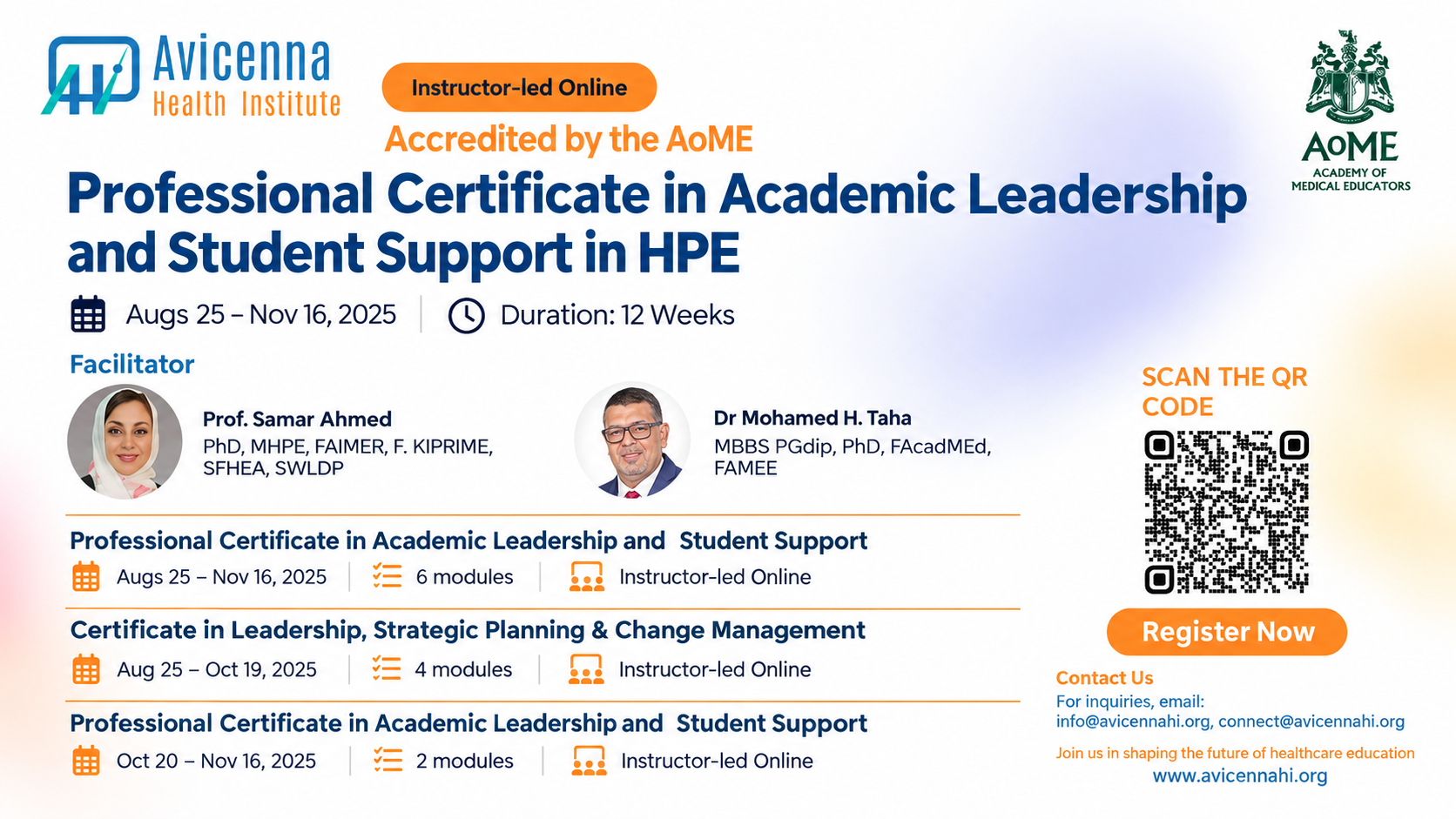 Workshop
Avicenna Health Institute Professional Development Program
Dubai, UAE
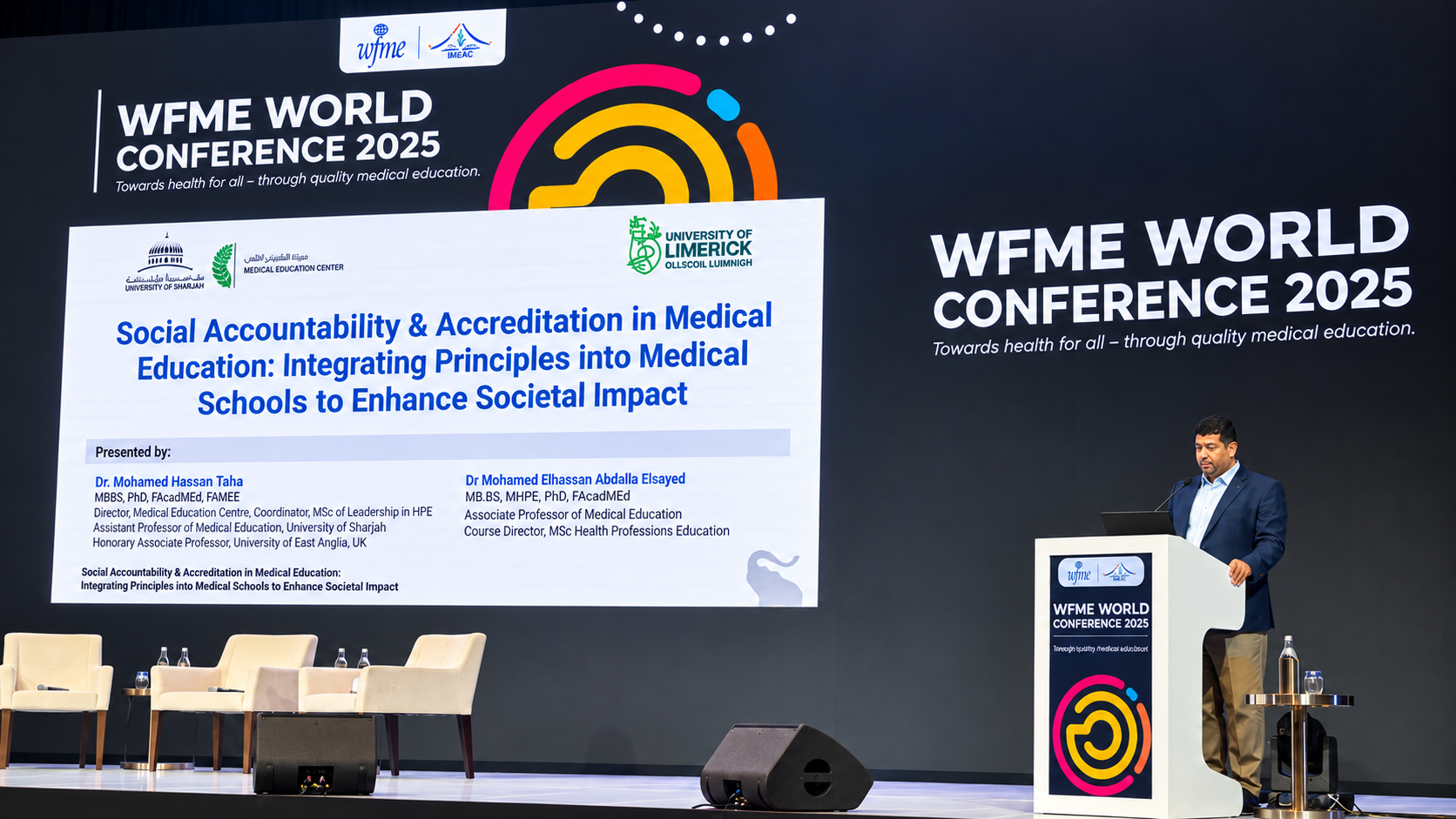 Conference presentation
WFME World Conference 2025
Bangkok, Thailand
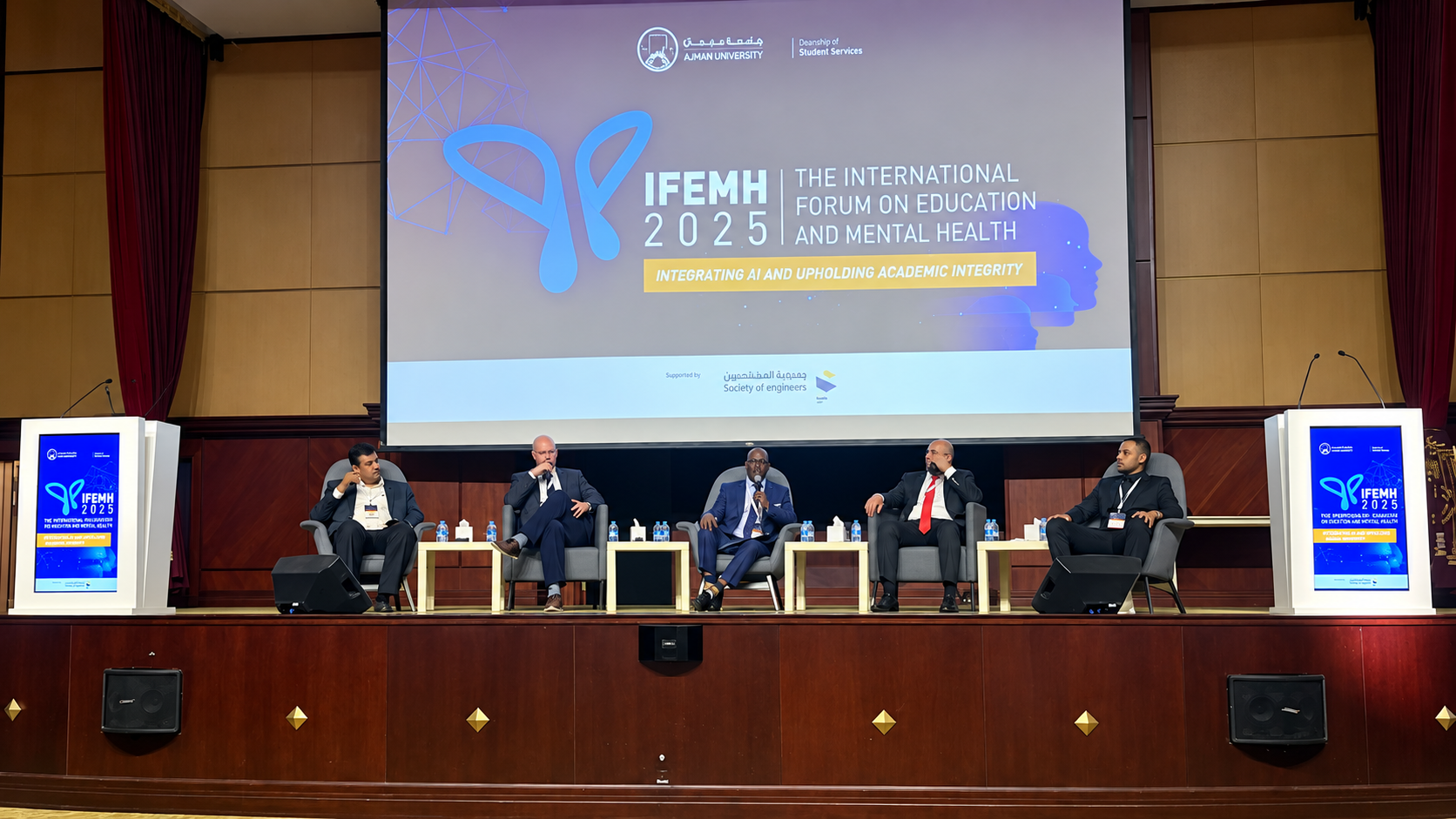 Conference presentation
4th International Forum on Education and Mental Health
University of Sharjah, United Arab Emirates
Read more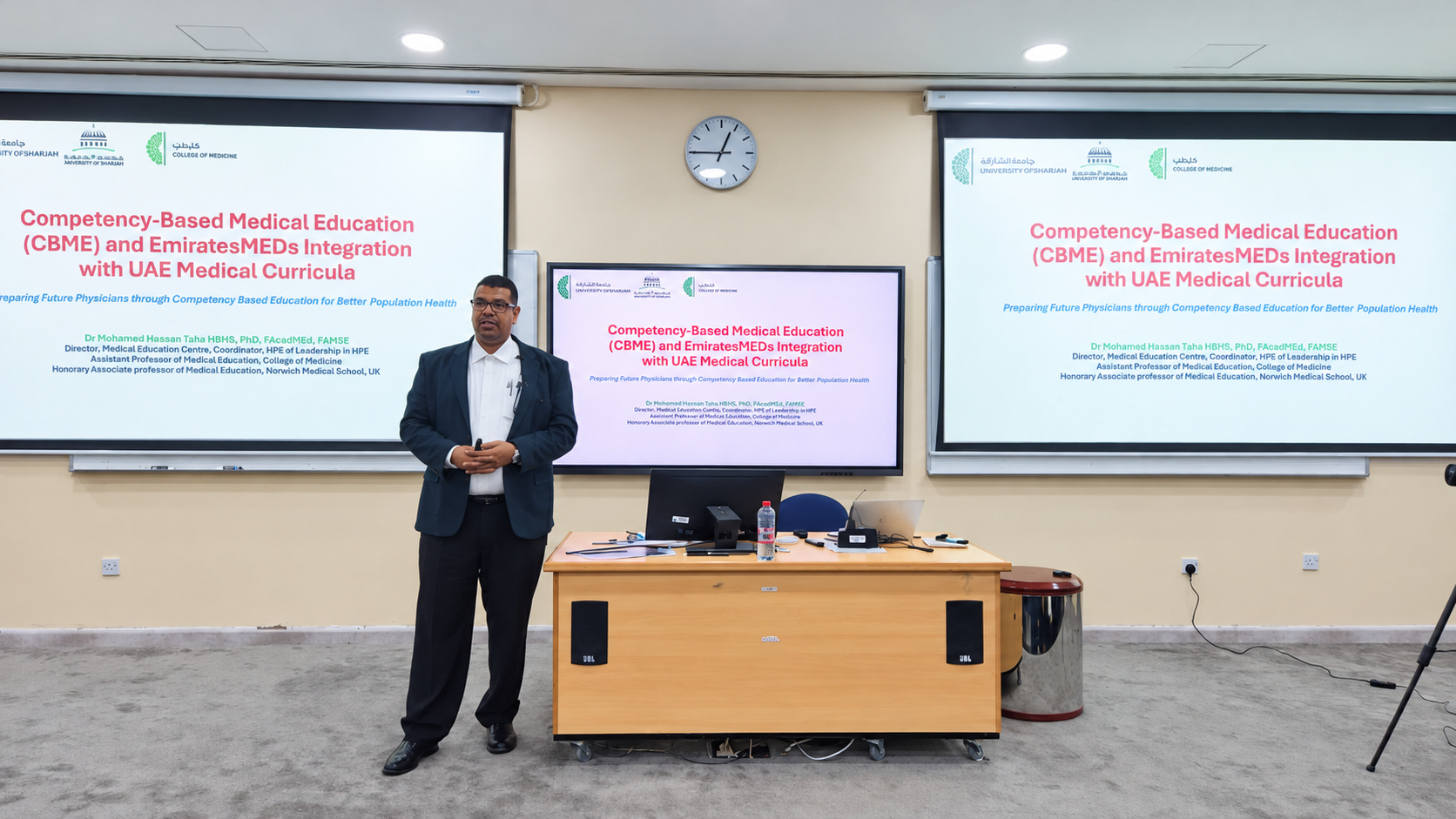 Workshop
EmiratesMEDs National Meeting and Related Faculty Development Session
United Arab Emirates
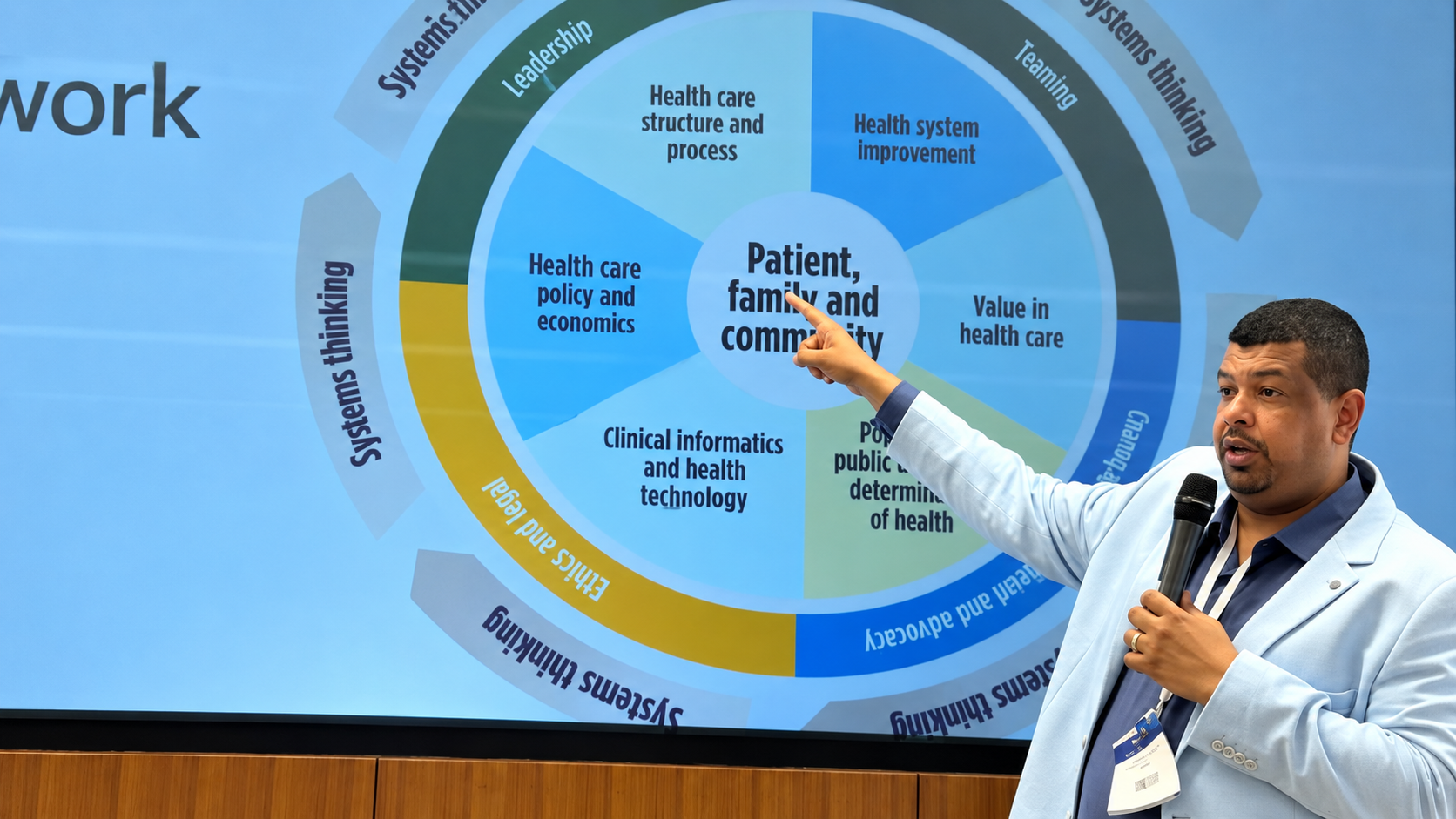 Conference presentation
6th MBRU Medical Education Symposium
Dubai, UAE
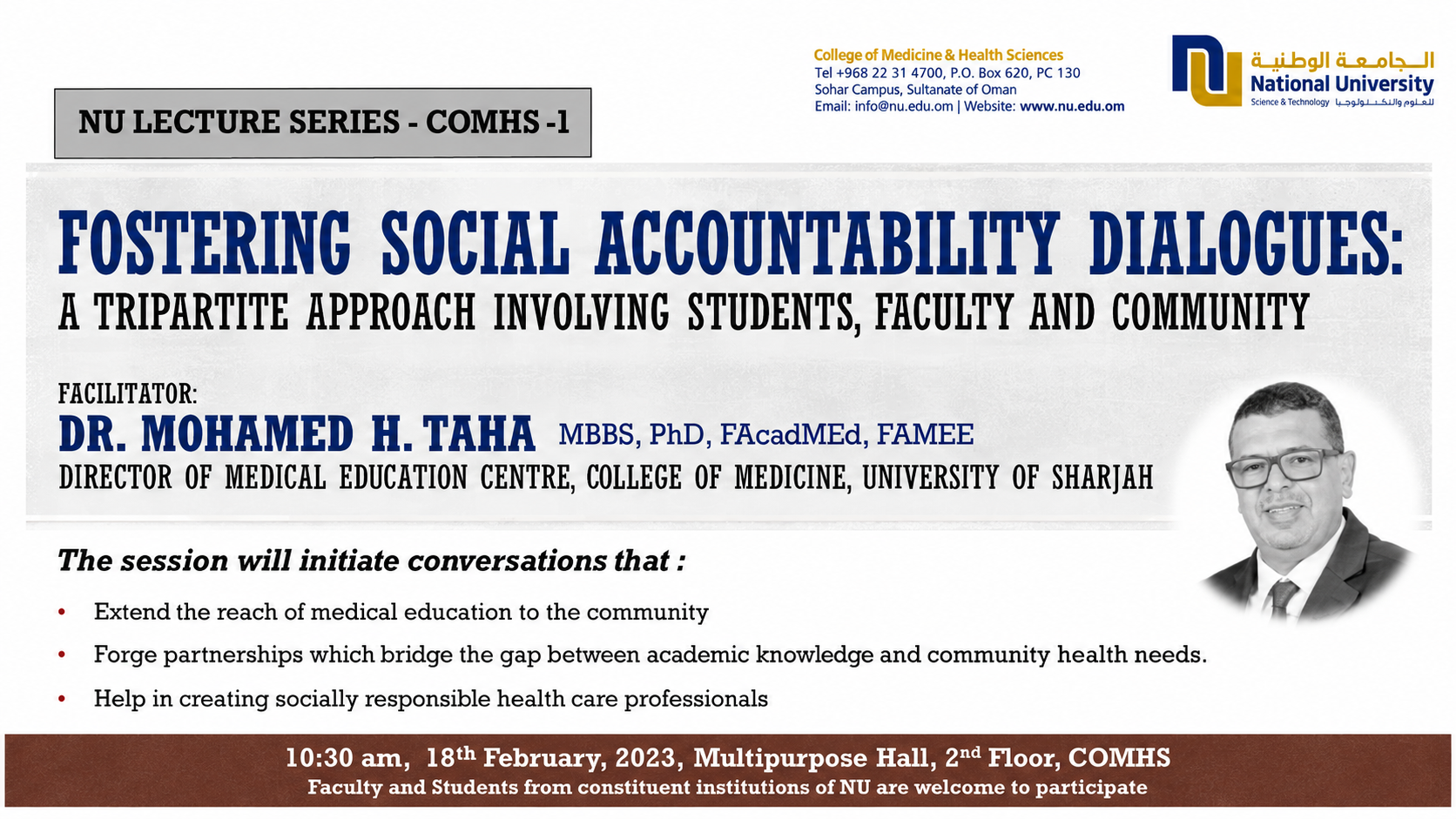 Invited address
NU Lecture Series — College of Medicine and Health Sciences
Oman
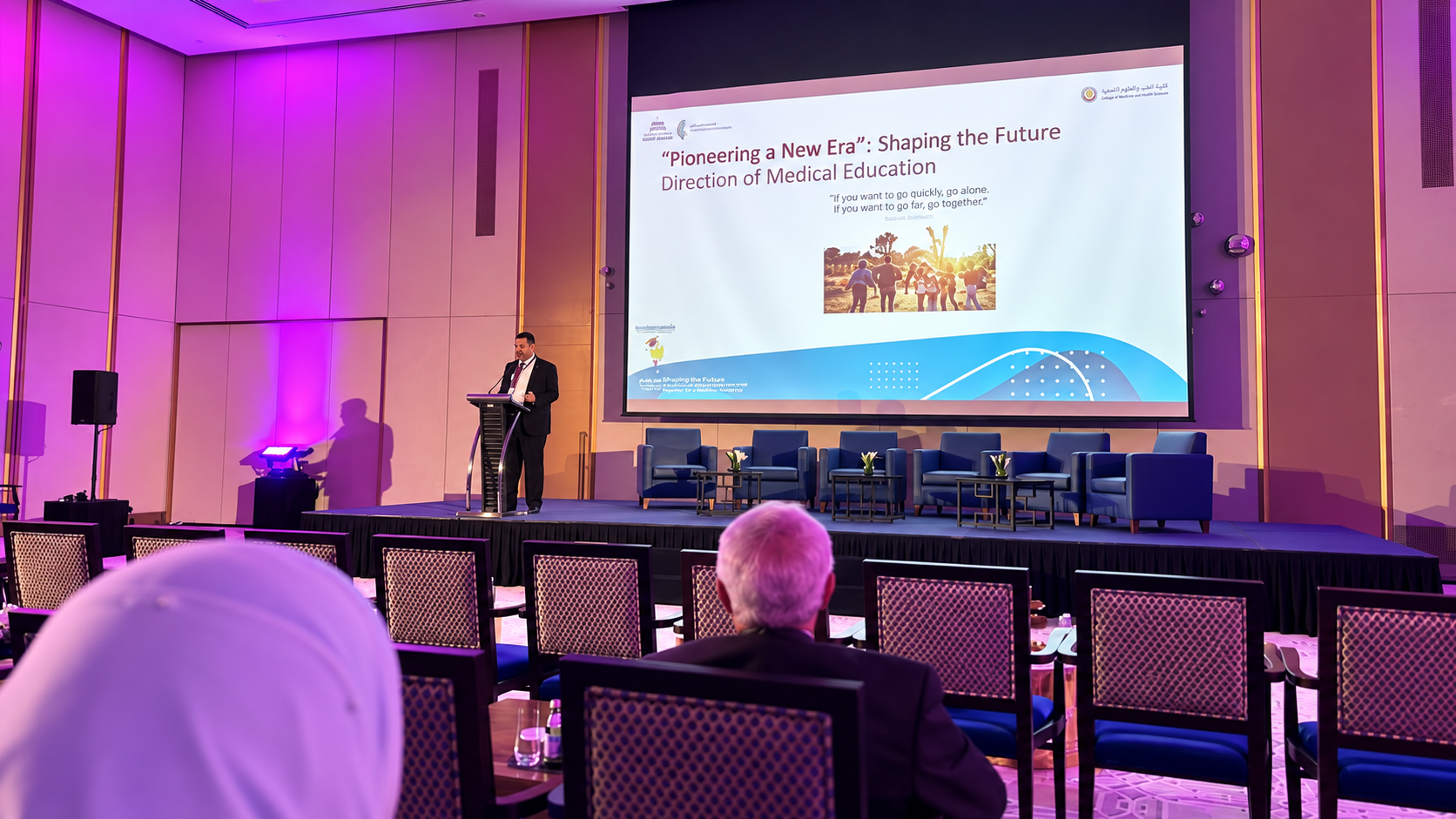 Keynote
National Medical Education Symposium — Dubai Medical College for Girls
Dubai, UAE
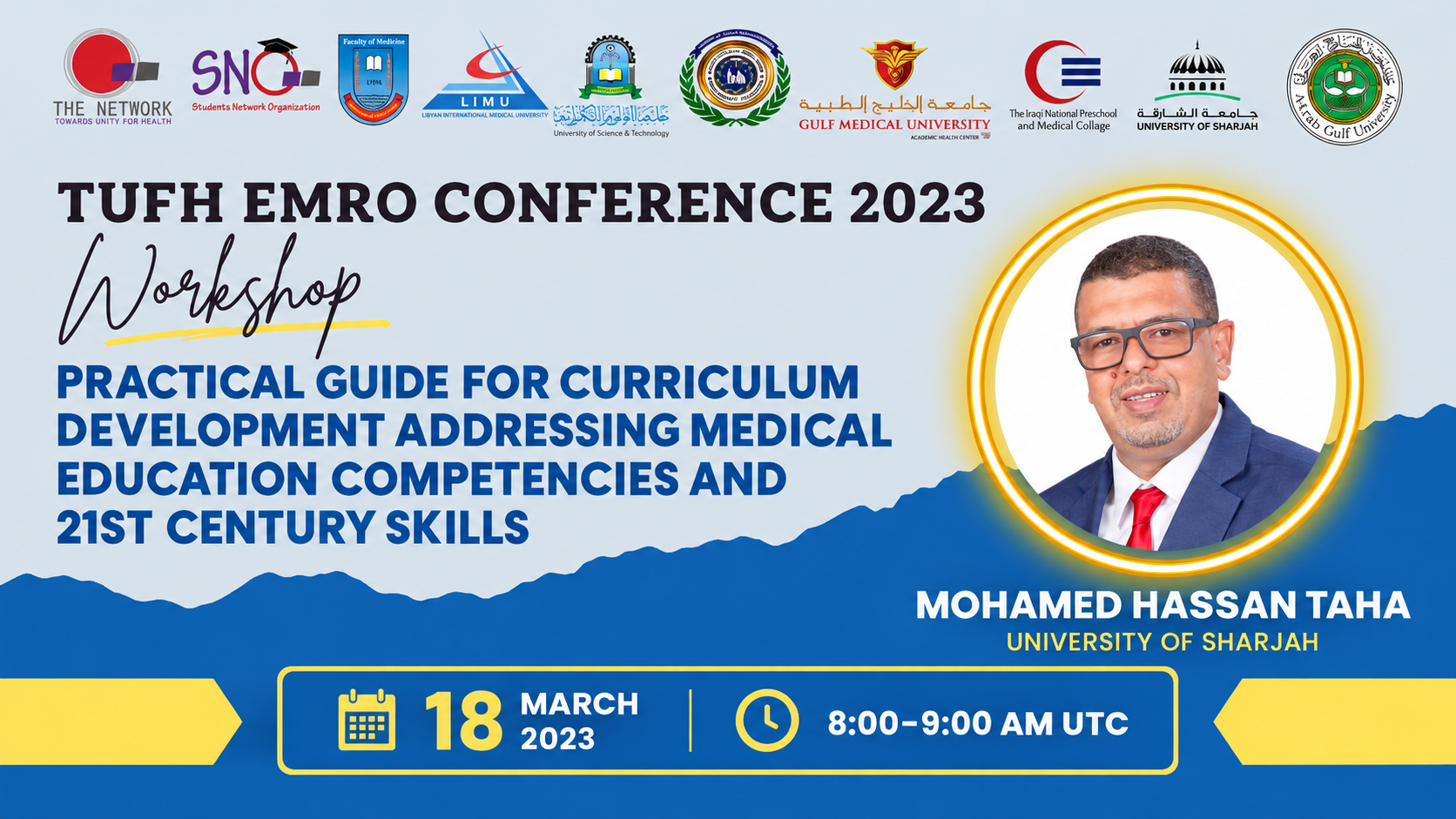 Workshop
TUFH EMRO Virtual Regional Conference 2023
Online
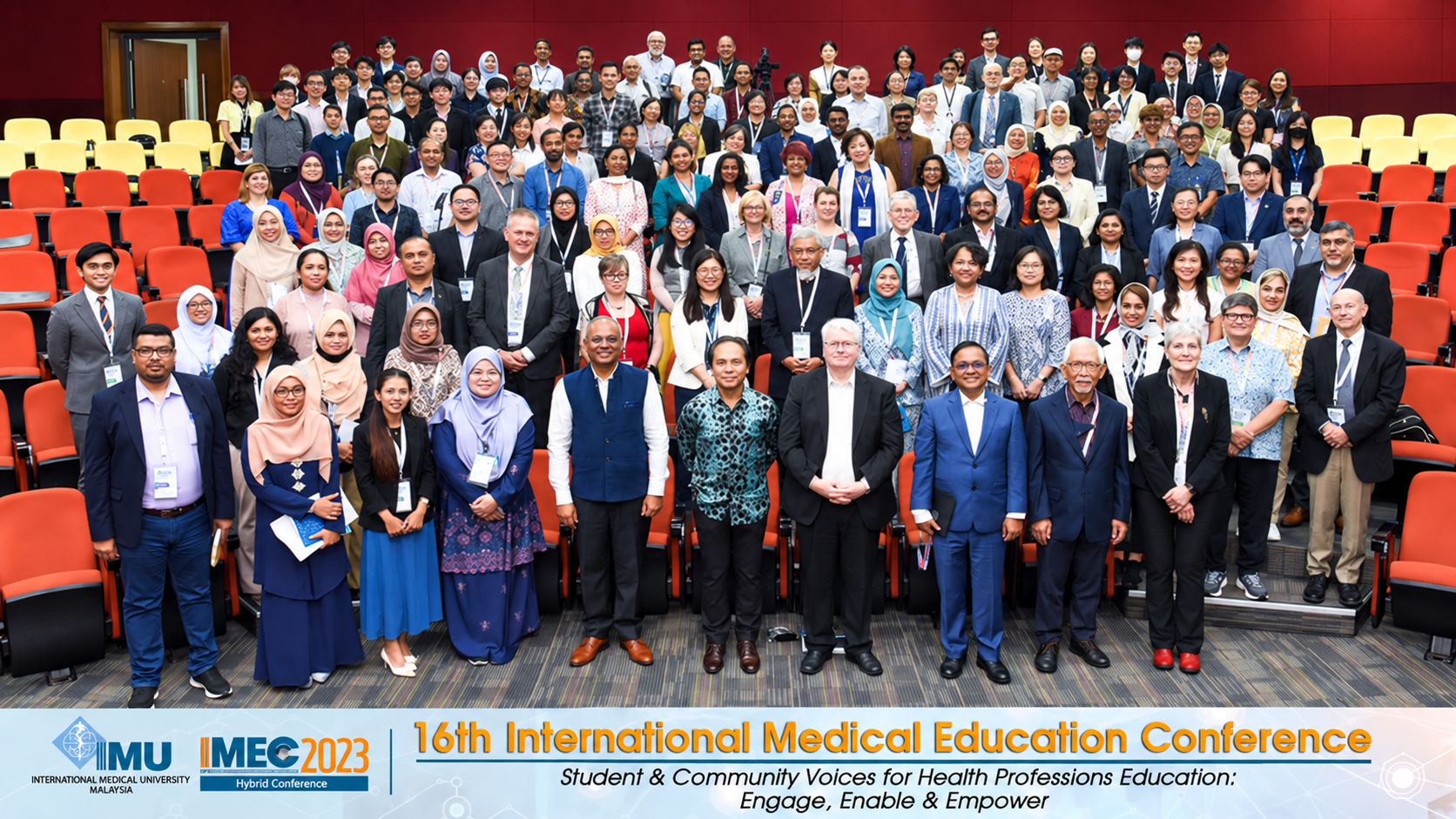 Conference presentation
16th International Medical Education Conference — IMEC 2023
International Medical University, Malaysia
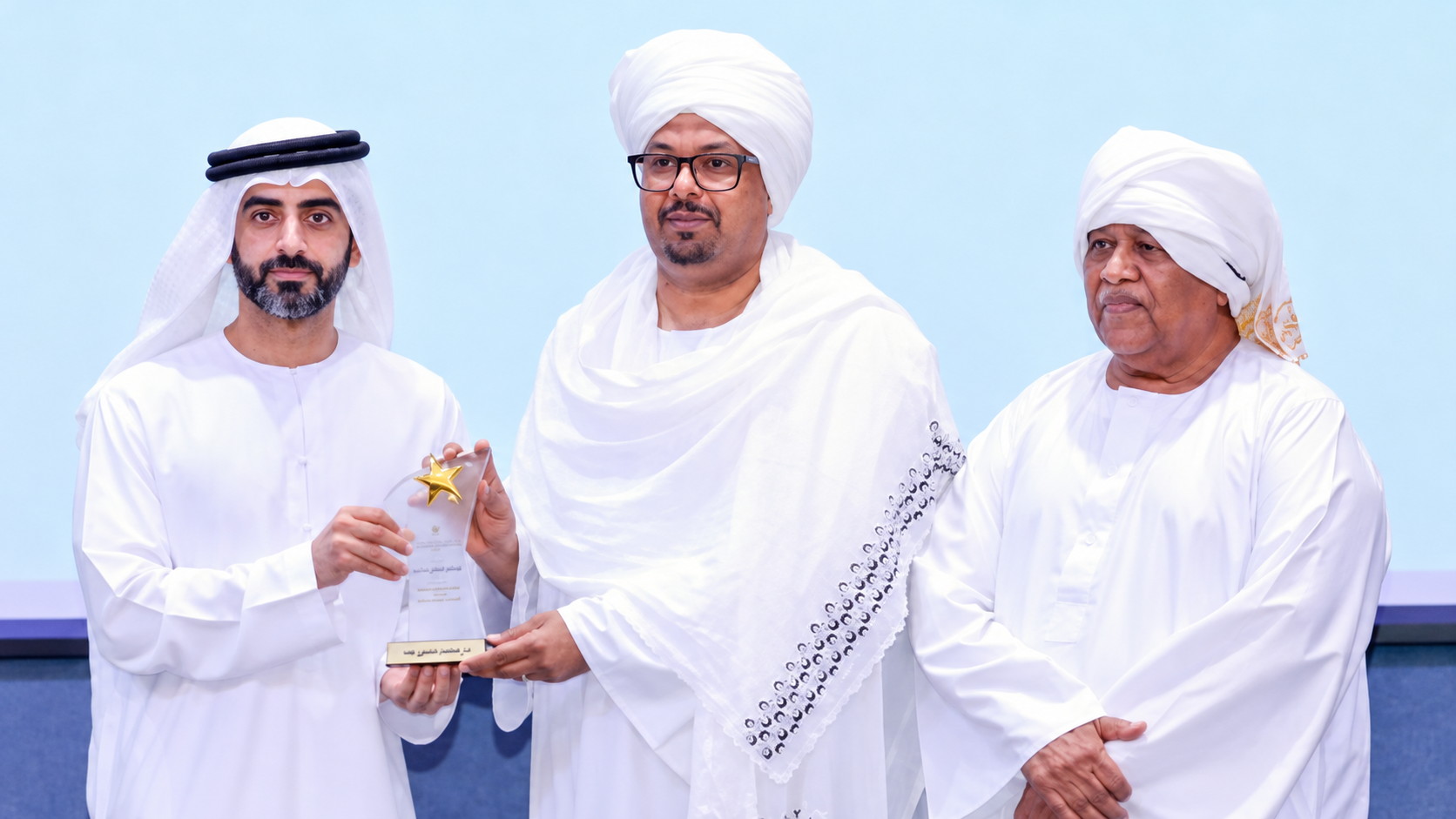 Invited address
Sudanese Social Center Sharjah
Sharjah, United Arab Emirates
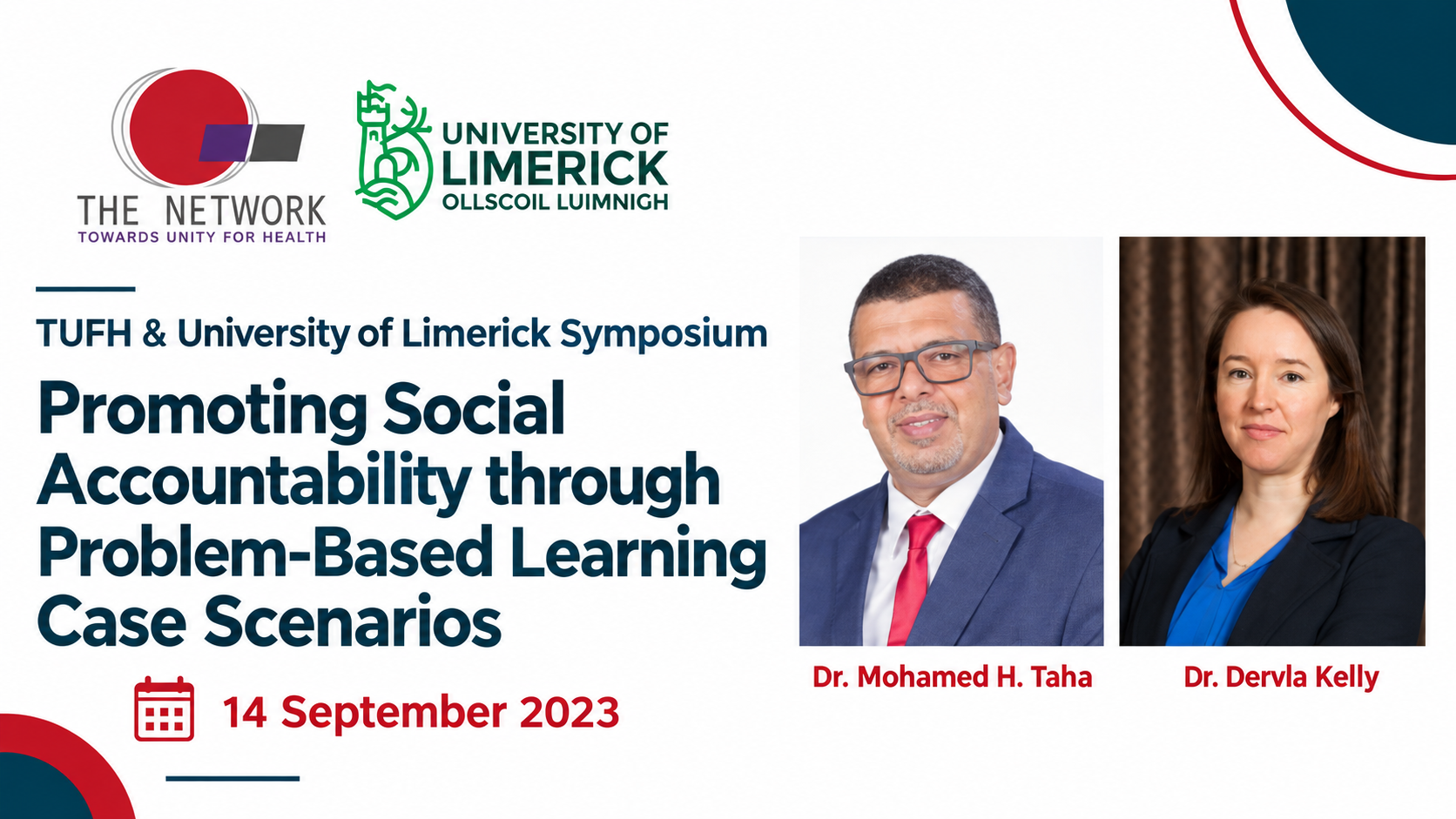 Invited address
TUFH & University of Limerick Symposium
University of Limerick, Ireland
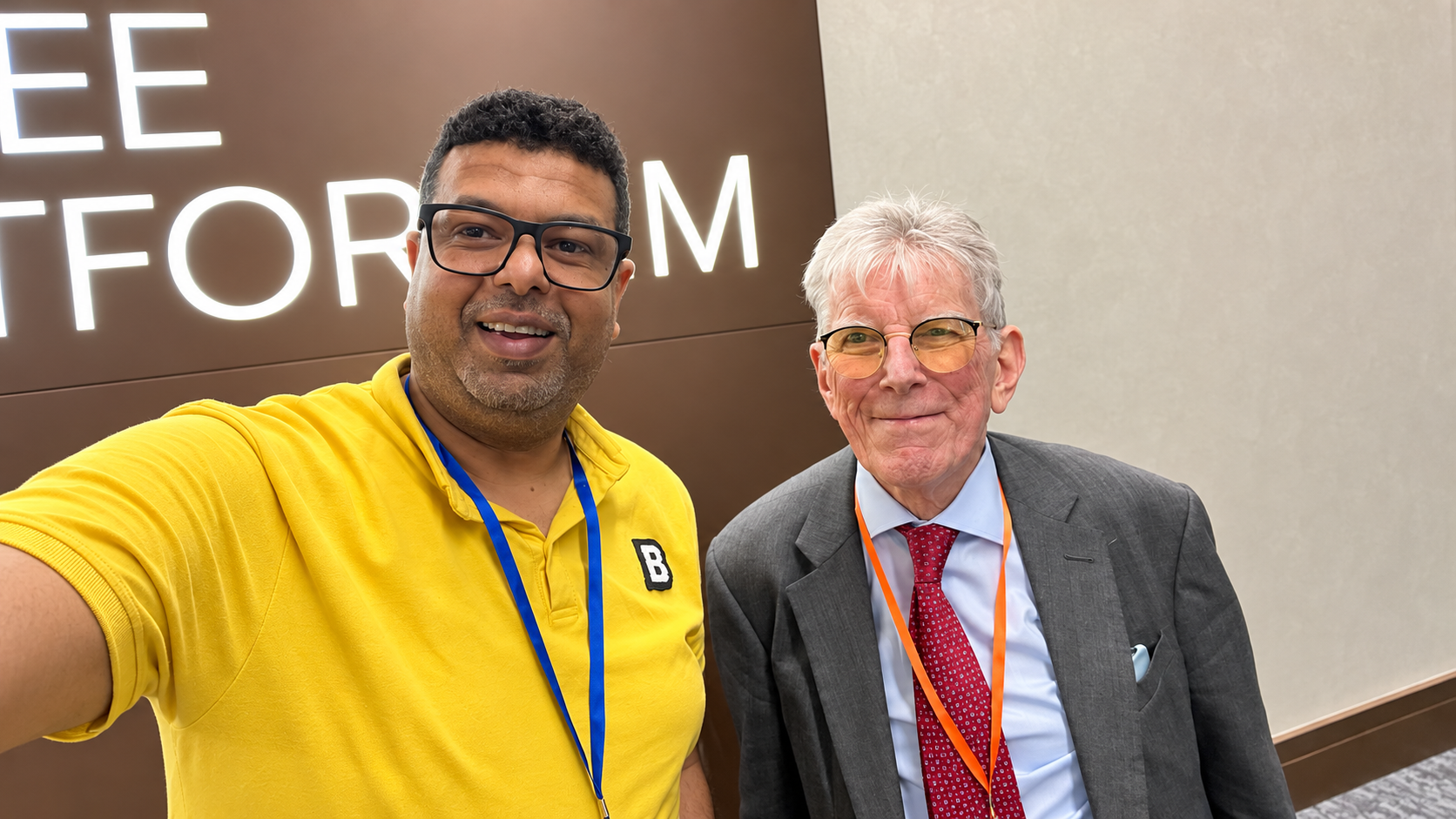 Conference presentation
Asia Pacific Medical Education Conference — APMEC 2023
National University of Singapore
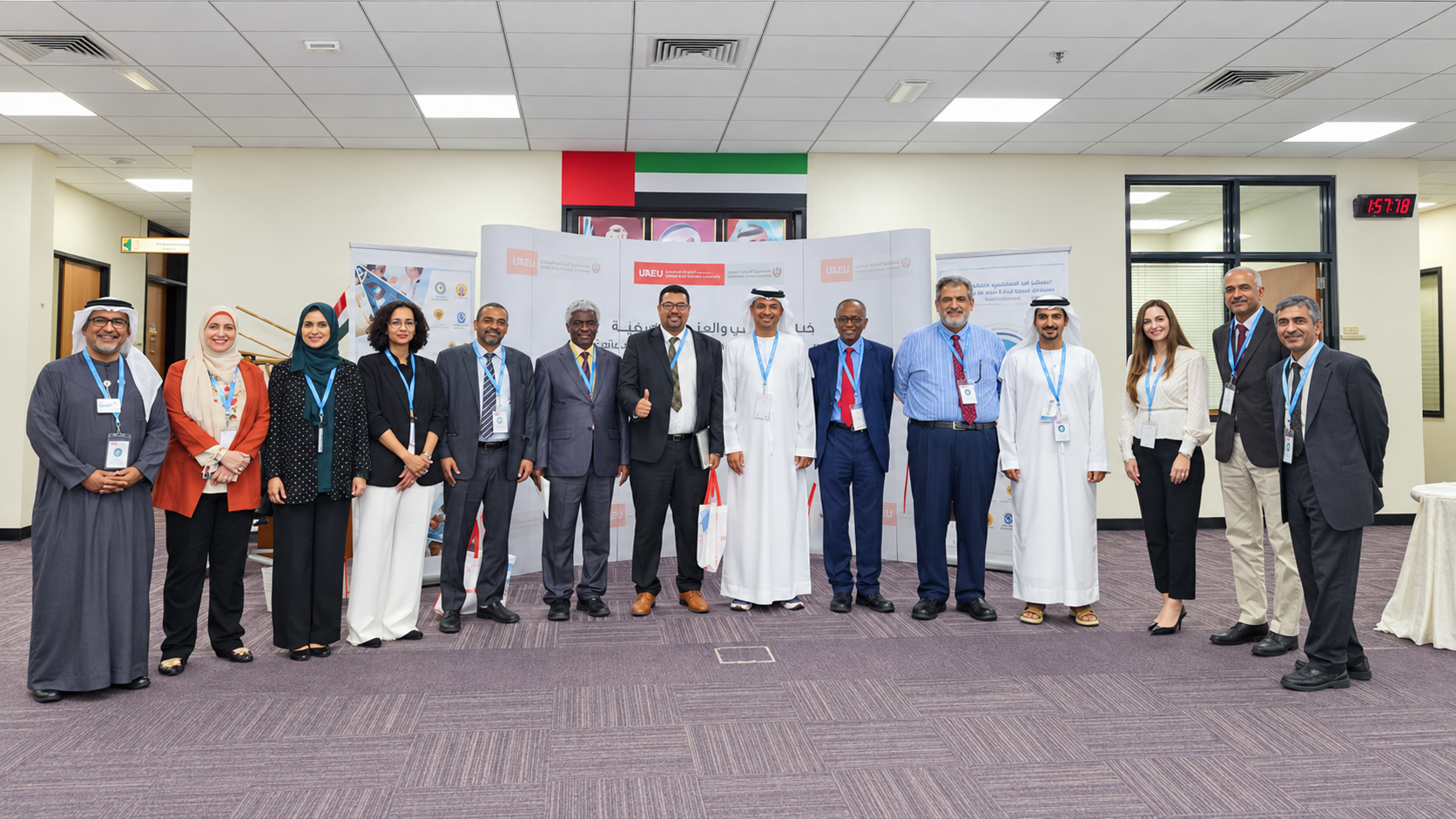 Invited address
UAE National Medical Education Competency Framework Development
United Arab Emirates
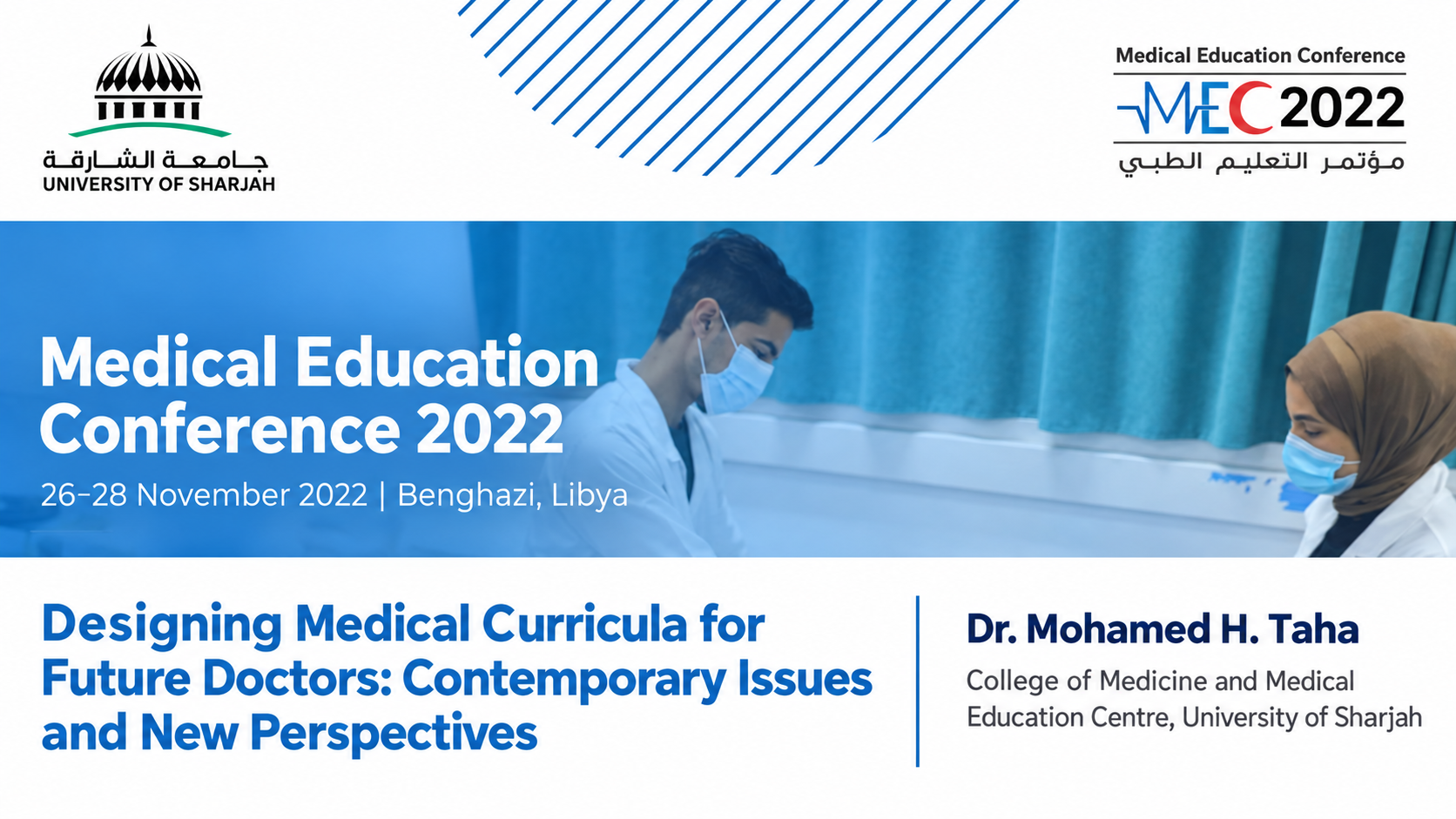 Keynote
Libyan Medical Education Conference 2022
Benghazi, Libya
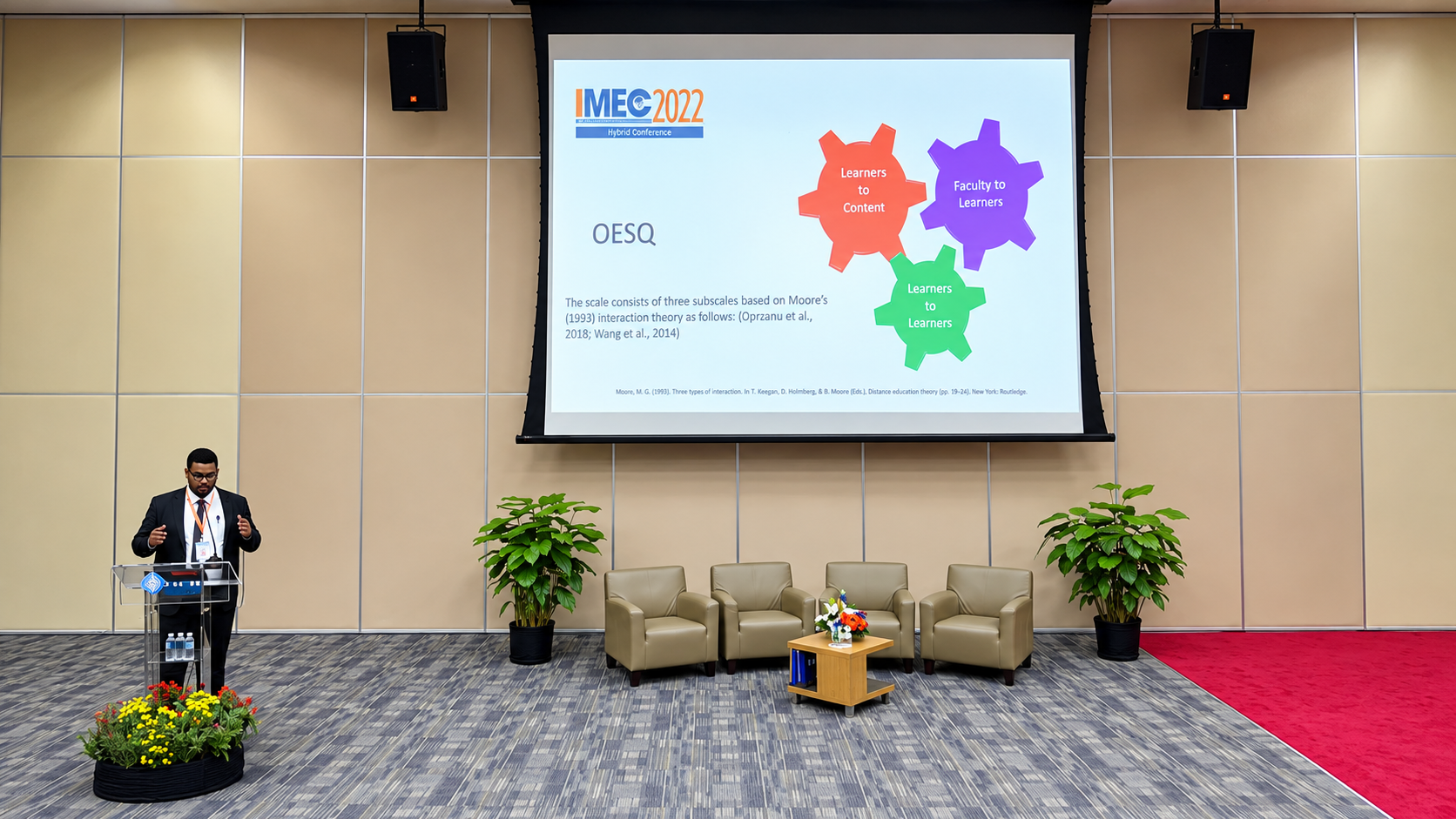 Conference presentation
International Medical Education Conference — IMEC 2022
International Medical University, Malaysia
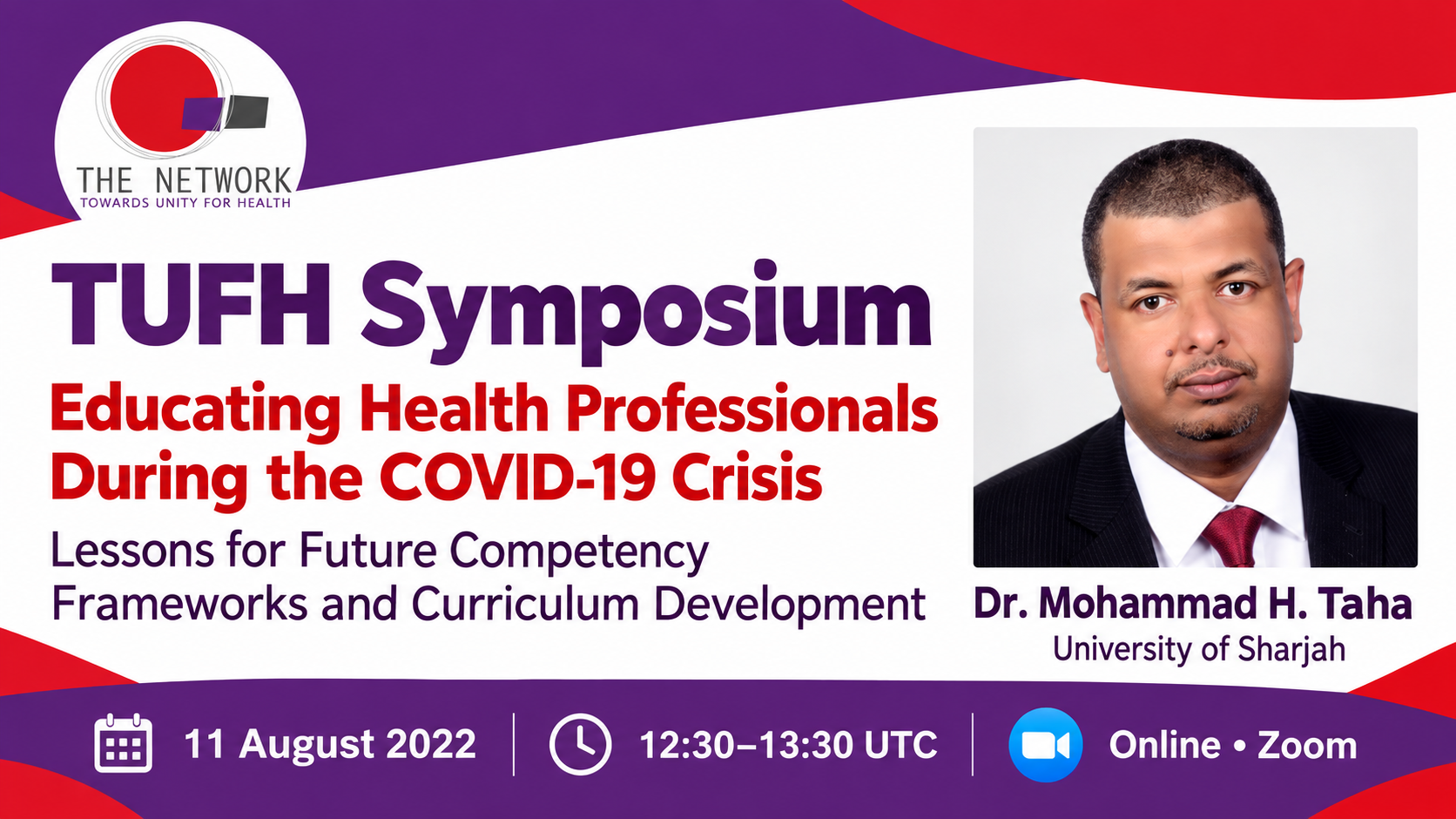 Workshop
TUFH Symposium
Online — Zoom
No talks have been recorded for this country yet.
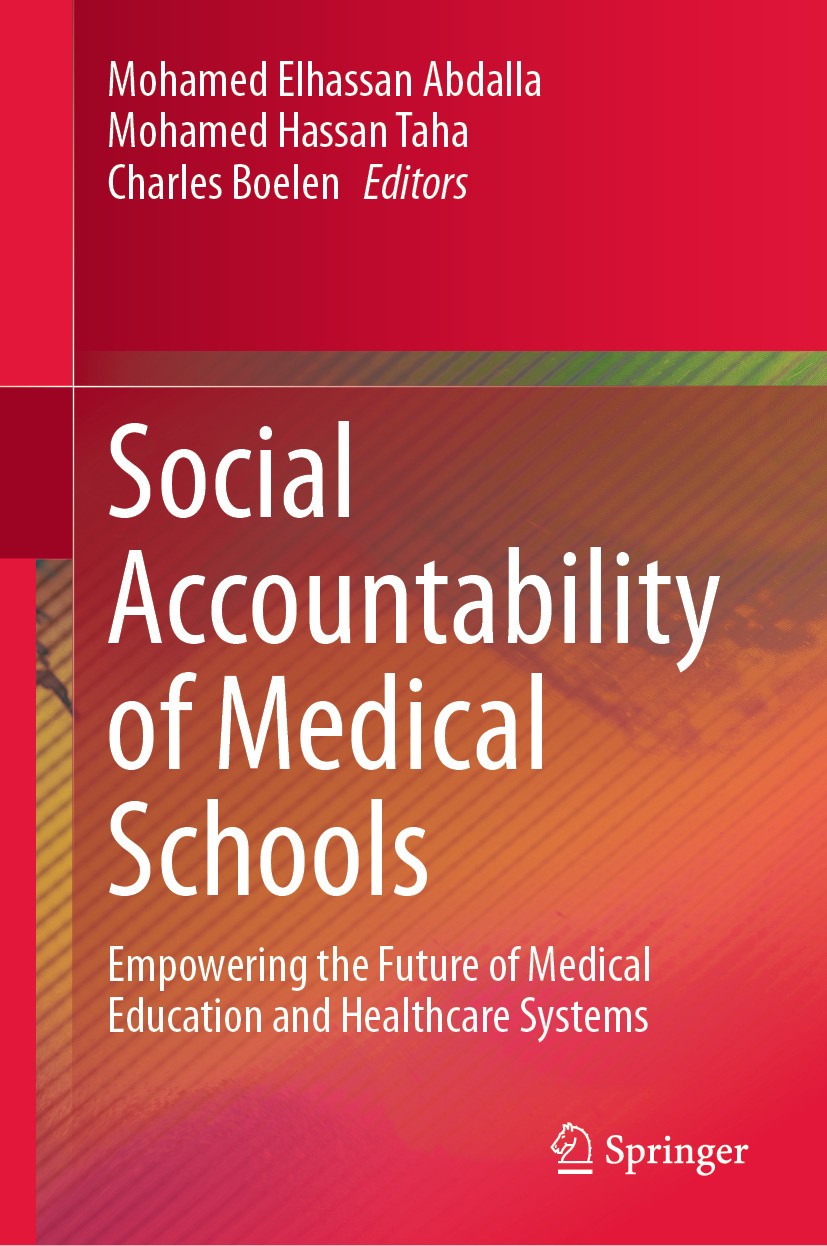
The Evolving Role of the Medical Profession and Medical Graduates (pp. 17–29); Governance and Leadership for Socially Accountability (pp. 53–71)
Co-edited by Mohamed Elhassan Abdalla, Mohamed Hassan Taha and Charles Boelen, this book explores how medical schools can align education, research and service with community health priorities. International perspectives and case studies address leadership, governance, community engagement, curriculum reform and assessment. Dr Taha also co-authored two chapters examining the evolving role of the medical profession and the governance and leadership needed to advance social accountability.
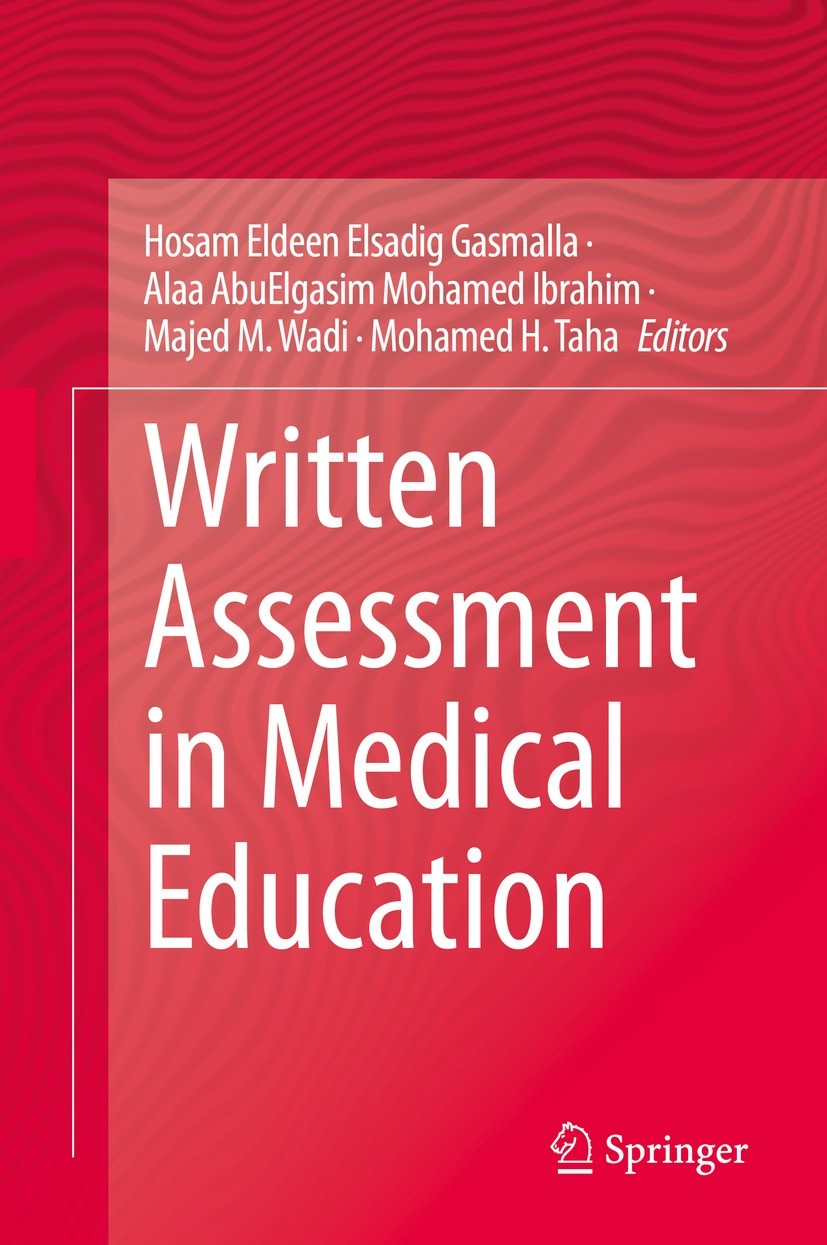
Constructed Response Items (pp. 39–48)
A practical reference co-edited by Dr Mohamed H. Taha, supporting medical educators in designing and evaluating written assessments. The book covers assessment blueprints, question formats, psychometric analysis, standard setting and progress testing. Dr Taha authored the chapter “Constructed Response Items,” which explains essay and short-answer formats, their applications, strengths and limitations, and how to develop questions that assess higher-order thinking.
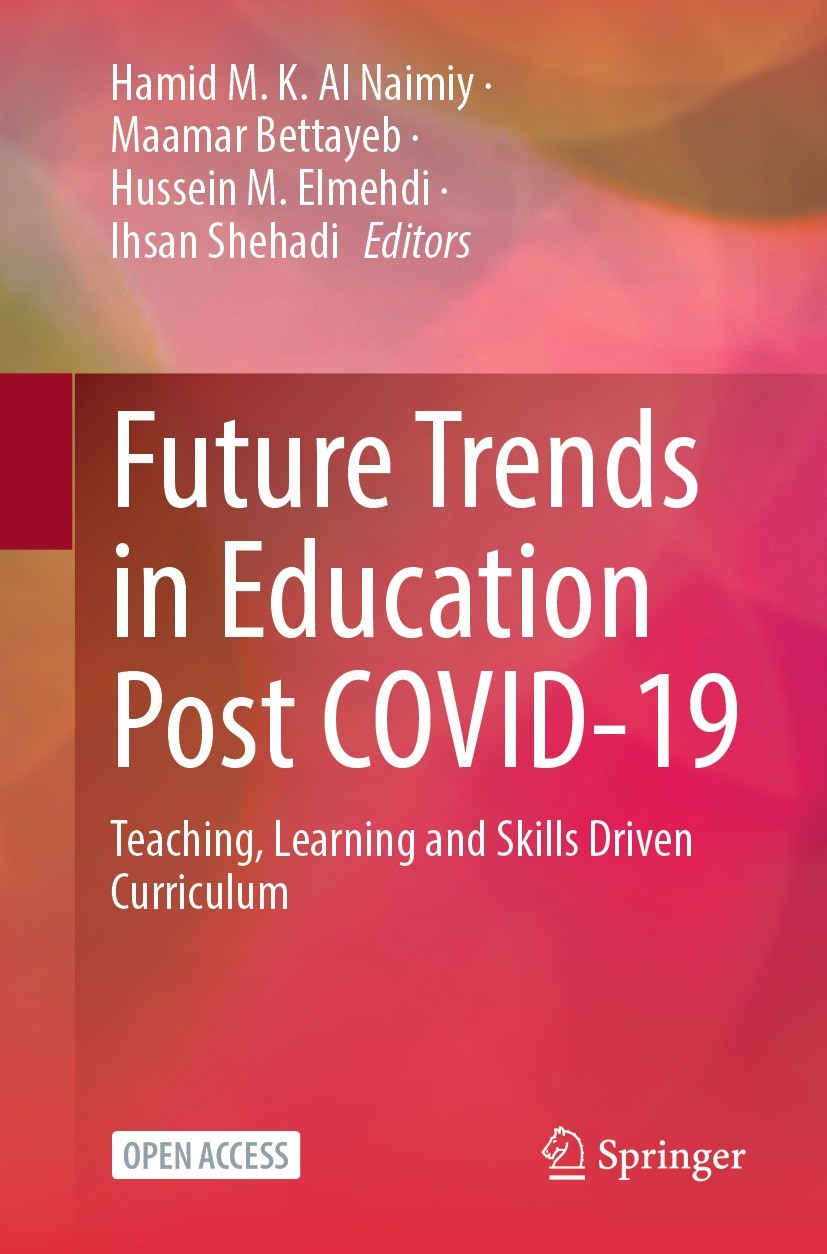
Effectiveness of HyFlex Simulation-Based Clinical Learning in Comparison to Traditional Learning in Undergraduate Clinical Education (pp. 191–203)
Dr Mohamed H. Taha contributed to this open-access conference volume through a co-authored chapter on HyFlex simulation in clinical education. Drawing on a survey of 124 radiography students and graduates at the University of Sharjah, the chapter examines reported satisfaction and learning experiences. It discusses the potential of flexible simulation while recognising participants’ preference for face-to-face learning when acquiring practical skills.